
Snippets: How to plan meaningful holidays in India without trying to see everything
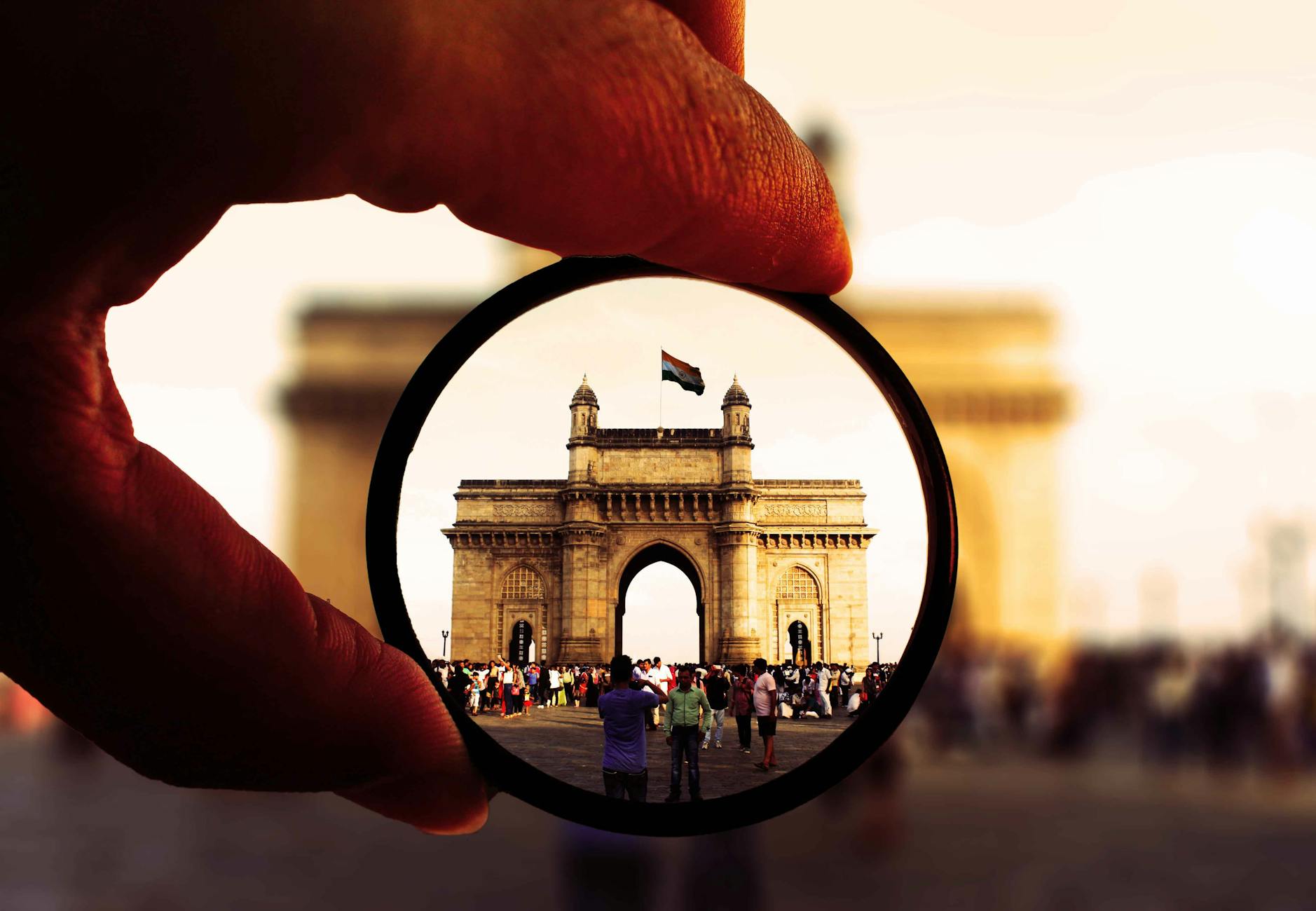 Photo by Darshak Pandya on Pexels.com
There’s a particular moment that seems to happen when people begin planning holidays in India. It usually starts with excitement — a map open on a screen, a list forming quickly. The Golden Triangle. Rajasthan. Kerala. Varanasi. The Himalayas. Perhaps a tiger safari. Maybe the beaches of Goa at the end.
It all looks possible.
And then, quite suddenly, it feels enormous.
Specialists such as Experience Travel Group, who focus on carefully designed holidays in India, often begin by gently reframing that moment. Not by adding more suggestions, but by subtracting a few. Because the truth is this: India rewards depth far more than distance.
The temptation to see everything is understandable. The wiser move, more often than not, is to see less — and experience more.
Why India feels overwhelming — and why that’s perfectly normal
India isn’t just large geographically. It’s layered.
Languages shift. Architecture changes. Food evolves. The rhythm of life in a Himalayan hill town bears little resemblance to that of a coastal fishing village in Kerala. Even within a single state, landscapes and cultures can transform in the space of a few hours’ drive.
For a first-time visitor, that variety can feel exhilarating and disorientating at once. Cities pulse with intensity. Rural areas unfold more slowly. The air itself seems different from place to place — humid in the south, dry in Rajasthan, crisp in the mountains.
It’s hardly surprising that travellers attempt to compress as much as possible into one trip. After all, if a country offers so much, why not try to take in as much of it as you can?
The difficulty is that India does not reveal itself easily when rushed.
Redefining what a “successful” trip really means
There’s a quiet assumption in modern travel that a successful holiday is one where you’ve covered ground. More cities visited. More landmarks seen. More photographs taken.
India gently challenges that logic.
A tightly packed itinerary can deliver impressive highlights, but it can also flatten experience. Long drives, early departures, constant check-ins and check-outs — these begin to shape the trip more than the places themselves.
Meaningful travel in India often happens in the margins. In conversations over tea. In lingering walks through a market where you aren’t trying to move on. In returning to the same café twice and being recognised.
Depth requires time. And time requires restraint.
This doesn’t mean lowering ambition. It means redirecting it — from coverage to connection.
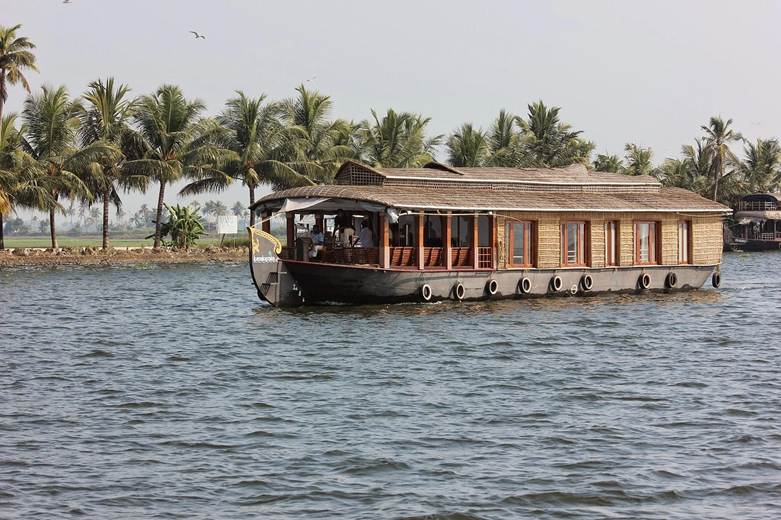
Image by Rabia RS from Pixabay
Choosing fewer regions with intention
One of the most practical ways to avoid overwhelm is to limit the number of regions you include.
Rather than trying to combine Rajasthan’s desert forts, Kerala’s backwaters, a Himalayan trek and a tiger safari into a single itinerary, it can help to begin with a simpler question: what mood are you drawn to?
Northern India offers drama — grand architecture, vibrant cities, desert landscapes. Southern India leans towards lush greenery, waterways, slower coastal rhythms. Central India provides wildlife immersion. The Himalayas offer space and altitude, both literal and emotional.
There is no correct combination. But there is often a more coherent one.
Two or three thoughtfully paired regions allow for contrast without fragmentation. They create a journey with flow rather than a series of disconnected episodes.
And that flow is what lingers.
Building space into your itinerary
This may sound counterintuitive, but rest days are not indulgent — they are essential.
India stimulates the senses in ways few destinations do. Colour, sound, scent, texture. It’s absorbing and energising, but it can also be tiring.
Building deliberate pauses into your itinerary changes the tone of a trip entirely. A morning without plans. An afternoon to sit by a river or pool. An evening not structured around an activity.
These moments are not empty. They allow experiences to settle.
They also allow for spontaneity. A local recommendation. An unexpected invitation. A small discovery that wasn’t on the original plan.
Without space, those moments struggle to appear.
Sequencing matters more than people realise
The order in which you experience India can shape your emotional response to it.
Beginning in a bustling city can be thrilling — or overwhelming — depending on your state of mind. Some travellers prefer to ease in through a quieter region before tackling urban intensity. Others find that starting with energy sharpens their curiosity.
Alternating stimulation with stillness often works well. A few days of exploration followed by a slower interlude. Wildlife after architecture. Mountains after cities.
Logical travel routes also reduce fatigue. India is vast, and unnecessary backtracking can quietly drain enthusiasm.
Good sequencing isn’t always obvious from a map. It’s felt more than calculated.
When to leave something out
Perhaps the hardest part of planning holidays in India is deciding what not to include.
There is a peculiar discomfort in omission. Leaving Varanasi for another time. Skipping Goa. Postponing the Himalayas.
Yet restraint can be liberating.
India is rarely a one-visit destination. Many travellers return, drawn back by a region they only glimpsed, or by something they chose not to include the first time.
Saving a place for later doesn’t diminish a trip. It extends it.
There’s also a practical truth here: a well-paced ten-day journey through two regions often feels richer than a frenetic fortnight racing across five.
Ambition has its place. But so does clarity.
The quiet value of local insight
Designing meaningful travel in a country as complex as India benefits from nuanced local understanding.
Local expertise can shape pacing in subtle ways — suggesting when to linger, when to move, and which experiences deserve extended time. It can prevent common planning missteps, such as underestimating travel times or overloading cultural sites into a single day.
More importantly, thoughtful guidance can help curate experiences that feel personal rather than generic. Access to a knowledgeable guide. A smaller heritage stay rather than a large hotel. A cooking session in a family home rather than a formal demonstration.
These decisions don’t necessarily add more to an itinerary. They refine it.
And refinement often matters more than expansion.
What travellers tend to remember years later
Ask someone about a trip to India long after they return, and their memories rarely align with the busiest days.
They remember the quiet boat ride at dusk. The temple bells at sunrise. The particular spice blend in a dish they tried to recreate at home.
They remember a single town that felt unexpectedly comfortable. A conversation that shifted perspective. The way the light changed across sandstone walls in the late afternoon.
Meaningful travel leaves traces in these small, sensory fragments.
It is less about having seen everything and more about having felt something fully.
Seeing differently, not simply seeing more
India does not demand that you experience it in total.
It offers itself in layers. And layers reveal themselves best when approached patiently.
Planning meaningful holidays in India is not about minimising ambition; it is about directing it wisely. Choosing fewer regions. Allowing space. Sequencing thoughtfully. Accepting that some places will wait.
In doing so, the journey gains coherence. Experiences deepen. Memory sharpens.
Perhaps the most rewarding realisation is this: you do not need to see all of India to understand why it stays with people.
You only need to give one part of it the attention it deserves.


 The Ranting Panda
Rant here!