
Snippets: 8 Signs That You Urgently Need an Eye Exam
 Photo by Victor Freitas on Pexels.com
Even if you take excellent care of your eyes, you’re still at risk of experiencing eye problems. Accidents, health issues, and other situations that are out of your control can impair your vision and in some occasions, you’ll need to see an eye specialist Singapore citizens trust to get an urgent eye exam. This will enable eye specialists to quickly identify the cause of your vision problems and other eye-related issues and develop a tailored treatment plan to put you on a path to recovery.
If you’ve always had regular eye checkups, you might be wondering what circumstances would necessitate an urgent eye exam. Usually, encountering hazards that may have potentially damaged your eyes is cause for emergency eye exams. If you are experiencing any of the following symptoms, it’s also in your best interest to visit an eye doctor as soon as possible.
Getting Chemicals in Your Eye
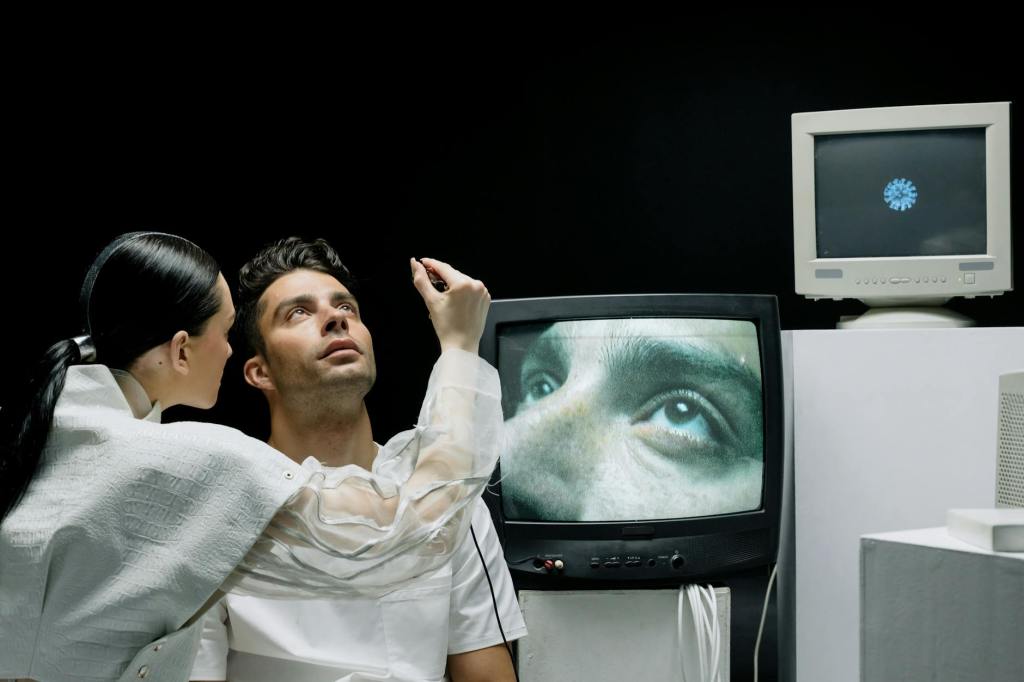
Getting chemicals such as cleaning agents, industrial solvents, or even irritants like shampoo or pepper spray in your eyes can cause immediate discomfort and potential damage to the eye surface. Repeated or excessive chemical exposure can lead to corneal abrasions, chemical burns, or conjunctivitis (pink eye), which is why applying immediate first aid is essential to prevent serious damage. Seek medical attention to assess and treat any damage to the eye’s surface and prevent long-term complications.
A Black Eye
A black eye is typically caused by blunt trauma to the eye area, often resulting from accidents, falls, or physical altercations. The bruising and swelling is a result of injury to the soft tissues around the eye. Ideal to seek medical attention to rule out any fractures or internal eye damage, especially if there’s persistent pain or vision changes.

Frequent Headaches
Frequent headaches can sometimes be related to uncorrected vision problems, such as refractive errors (e.g., myopia or nearsightedness and hyperopia or farsightedness) or eye strain from prolonged screen use. They may also indicate more serious underlying conditions, such as glaucoma or increased intraocular pressure. If headaches persist or are severe, further evaluation by an eye specialist or physician is recommended to rule out other health concerns.
Blurred Vision
Blurred vision can stem from various factors, including refractive errors, presbyopia (age-related difficulty focusing), cataracts, or conditions affecting the retina or optic nerve. They may also be a symptom of diabetic retinopathy, macular degeneration, or glaucoma, among other serious eye conditions. The treatment will depend on the underlying cause. Medical intervention is necessary for conditions like cataracts or diabetic retinopathy, as these often involve surgery or medication to manage the condition and preserve vision.

Double Vision
Double vision or diplopia can result from issues with eye alignment, nerve problems, or underlying health conditions that affect eye muscles or brain function. It can also indicate problems such as astigmatism, strabismus (eye misalignment), cranial nerve palsies, or neurological conditions like multiple sclerosis or stroke. For eye alignment issues, corrective lenses, vision therapy, or surgery may be recommended. However, medical management by a neurologist or specialist is crucial for neurological conditions causing double vision.
Visual Disturbances
Visual disturbances encompass a range of symptoms including seeing flashes of light, floaters (small dark spots or lines), tunnel vision, or sudden vision loss. These symptoms may indicate retinal detachment, ocular migraines, retinal artery or vein occlusion, or other serious eye conditions that need immediate attention. Urgent evaluation by an ophthalmologist is necessary to determine the cause and appropriate treatment. Options for treatment may include laser therapy, surgery, or medical management to preserve vision and prevent further complications.
Redness or Swelling of the Eyes
Redness or swelling of the eyes can result from allergies, conjunctivitis and other forms of eye infections, or inflammation. These symptoms can also indicate more serious conditions like uveitis (inflammation of the middle layer of the eye), keratitis (corneal inflammation), or glaucoma. Over-the-counter or prescription eye drops may alleviate symptoms for mild cases, while antibiotics or antiviral medications may be prescribed for infections. Regardless, prompt evaluation by an eye care professional is important to determine the appropriate treatment and prevent complications.

Discharge From the Eye
Discharge from the eye can be a sign of infection like conjunctivitis , or a blocked tear duct. The discharge may be watery, mucous-like, or purulent (containing pus). Depending on the colour and consistency of the discharge, it can indicate bacterial or viral infection, allergic conjunctivitis, or other underlying conditions. Antibiotics are typically prescribed for bacterial infections, while antiviral medications or allergy treatments may be recommended for viral or allergic conjunctivitis. Warm compresses and gentle cleansing can also help alleviate discomfort and clear the discharge. Needless to say, consultation with an eye care provider is crucial to determine the appropriate treatment plan.
Your eyesight is invaluable and proactive care can make a significant difference in maintaining optimal eye function for years to come. By recognizing the signs that necessitate an urgent eye exam, you can mitigate the risk of complications, maintain good eye health, and preserve your vision.


 The Ranting Panda
Rant here!