
Snippets: How Choosing the Best POS System in Singapore Impacts Your F&B Business in 2025
 Photo by Jack Sparrow on Pexels.com
A cornerstone of Singaporean culture and what Singapore is known for globally includes food and our hawker culture. From the streets of Newton Hawker Centre in the effortlessly famous movie “Crazy Rich Asians” to higher-end establishments like the Three-Michelin-Starred Les Amis, the Food & Beverage scene in Singapore is able to cater to a vast majority of palates and budgets.
Backing these famous establishments and allowing them to run effortlessly regardless of volume and/or pricing includes having a Point-of-Sale (POS) system located within the establishment. For new business owners, having a POS system that is both efficient and has adequate modern features will allow them to streamline their operations and engage in better marketing, accounting and inventory management, making many manual and mundane tasks easier. In this article, we will provide you with a comprehensive breakdown of the best F&B POS system in Singapore for Singaporean businesses in 2025.
What is a POS System?
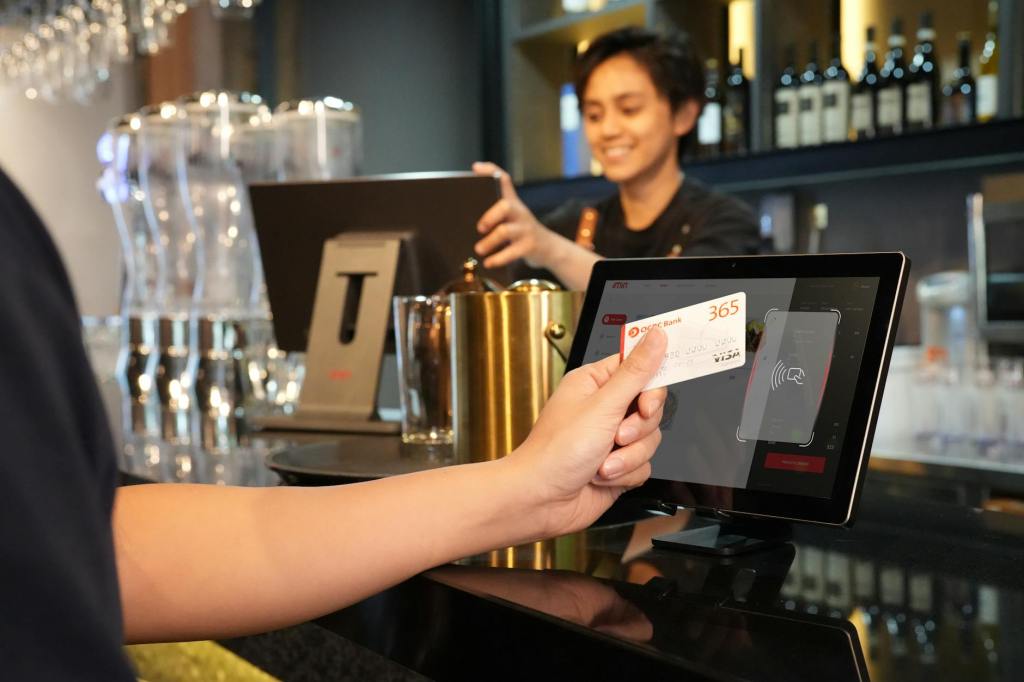
A Point-of-Sale (POS) system is an integral part of any F&B, cafe or restaurant business, and forms the core of its operations. At an operational level, the POS system helps businesses to streamline tasks and process transactions efficiently. Modern POS systems are also able to manage inventory, track sales data and integrate various Customer Relationship Management (CRM) Platforms such as Hubspot or Salesforce, enabling business owners to segment customers into various tiers or run special promotions. The POS system can come in two forms: Traditional POS Systems and Cloud POS Systems, with various benefits and potential drawbacks.
Why is it Important for an F&B Business to Choose a POS System Relevant to Their Business?
The main component of any POS system is to handle sales transactions of a business. However, modern POS systems and many POS systems are now able to do more than just handle basic sales transactions. Amongst the many additional features, such as being able to automatically track inventory management, depending on the software available, POS systems are able to integrate booking and reservations for your F&B business, Customer Relationship Management (CRM) systems like Hubspot or Salesforce or accounting software like Xero or Quickbooks for accounting and auditing purposes. Understanding which kind of POS system would best suit your needs for your own F&B business would depend on your own business goals and your own growth and strategy plan, and there is no one-size-fits-all policy. However, there are certain metrics and features that would usually be needed by the majority of F&B businesses and would be most beneficial to them.
What are Some Essential Features of a POS System for F&B Businesses?
Integrated Ordering System
Current ordering systems in the F&B business are not only limited to the waiters and waitresses using pen and paper or relying on their memory to take orders and key them into the POS system. There are now also options for customers themselves to scan a QR code to view an F&B business’s menu and place their orders, seamlessly integrating the customer’s order to the POS system without the need for a server. This line of integration can also extend to the kitchen, where the order can be sent to the Kitchen Display System or Kitchen Printer in a fluid motion, which is a key selling point of an F&B POS System. This reduces the need for manpower and reduces lag time between the customer and the back-of-house kitchen staff in preparation.
Booking & Reservation System
To prevent customers from waiting in line for seats or getting frustrated with long wait times, a booking and reservation system is often put in place for customers to be able to make reservations at the F&B establishment ahead of time. Though there are many reservation and booking systems available on the market, such as sevenrooms, inline or chope, many of them require an additional form of payment and may not be as easy to integrate with your existing POS system. In order to circumvent this, businesses can also opt to purchase an F&B POS system that already has an existing booking and reservation system built into the software itself.
Table & Floor Management System
At a physical F&B establishment, a visualisation of the current floor plan with upcoming reservations, current status of orders and customers’ payment should be an integral part of the POS system implemented at your F&B establishment. F&B POS systems with integrated table management features allow restaurants to optimise seating, track table turnover, and provide accurate wait time estimates. By visualising the real-time floor plan and monitoring table status, restaurant staff can efficiently understand table availability, improve host-server communication and reduce customer wait times, ensuring a faster, more organised dining experience.
Availability of Customer Support
With a F&B POS system running parallel with the business’s opening hours, potential issues such as the backend going offline or a potential software issue could cause the company to lose hundreds to thousands of dollars in revenue depending on the length of time and/or customer volume due to the lack of a check out availability in the POS system. A POS system supplier with 24/7 customer service availability and knowledge of the local business scene would be more than ideal for any type of business.
Best F&B POS System for Singapore SMEs in 2025
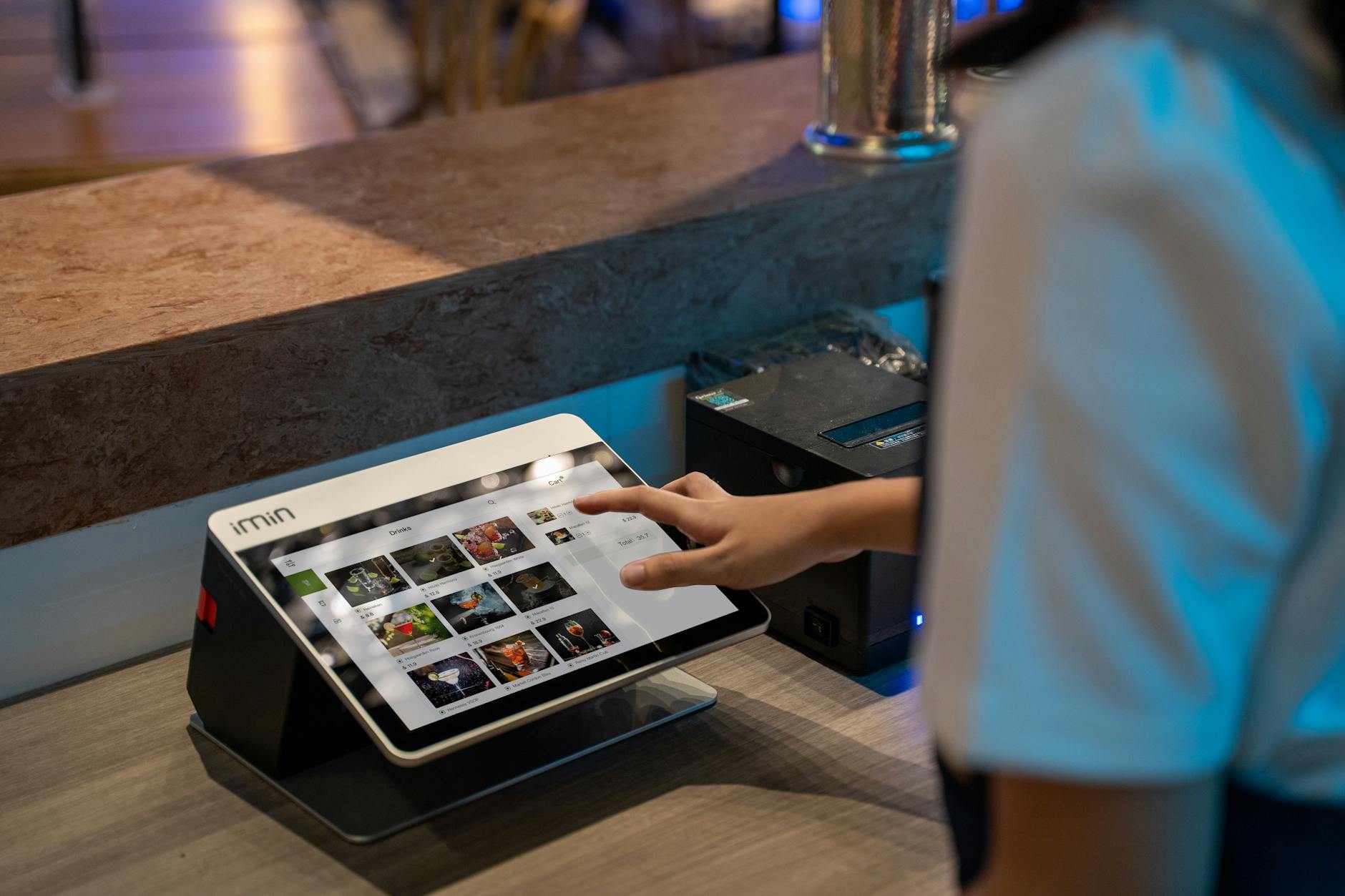
With all essential features mentioned above, EPOS POS system is one of the most comprehensive and best POS systems for Singapore F&B SMEs. With more than 16 years in the POS market and a leading POS system for F&B establishments, be it restaurants, cafes, quick-service restaurants, bars or hawkers, EPOS’ Best F&B POS system is equipped with the features to improve your F&B store service and efficiency. To learn more about EPOS and their best F&B POS system in Singapore, visit https://www.epos.com.sg for a free demonstration.


 The Ranting Panda
Rant here!