
Snippets: The Best Way To See New Zealand’s Natural Beauty
 Photo by Tim Grundtner on Pexels.com
New Zealand is one of the most beautiful countries on earth, and everyone should make a point of seeing it at least once. The air is fresh. The scenery is amazing. And the people are among the friendliest in the world.
Split across two islands, the North and South, Aotearoa (as the locals call it) isn’t the biggest country in the world. In fact, it only covers 268,021 km². However, it is packed with incredible landscapes that include beaches, fjords, mountains, and wide-open fields, all within a few hours’ drive of each other.
In this guide, we will walk you through the best way to see New Zealand’s outstanding natural beauty. If you are planning a trip to Aotearoa, hopefully you’ll find it useful.
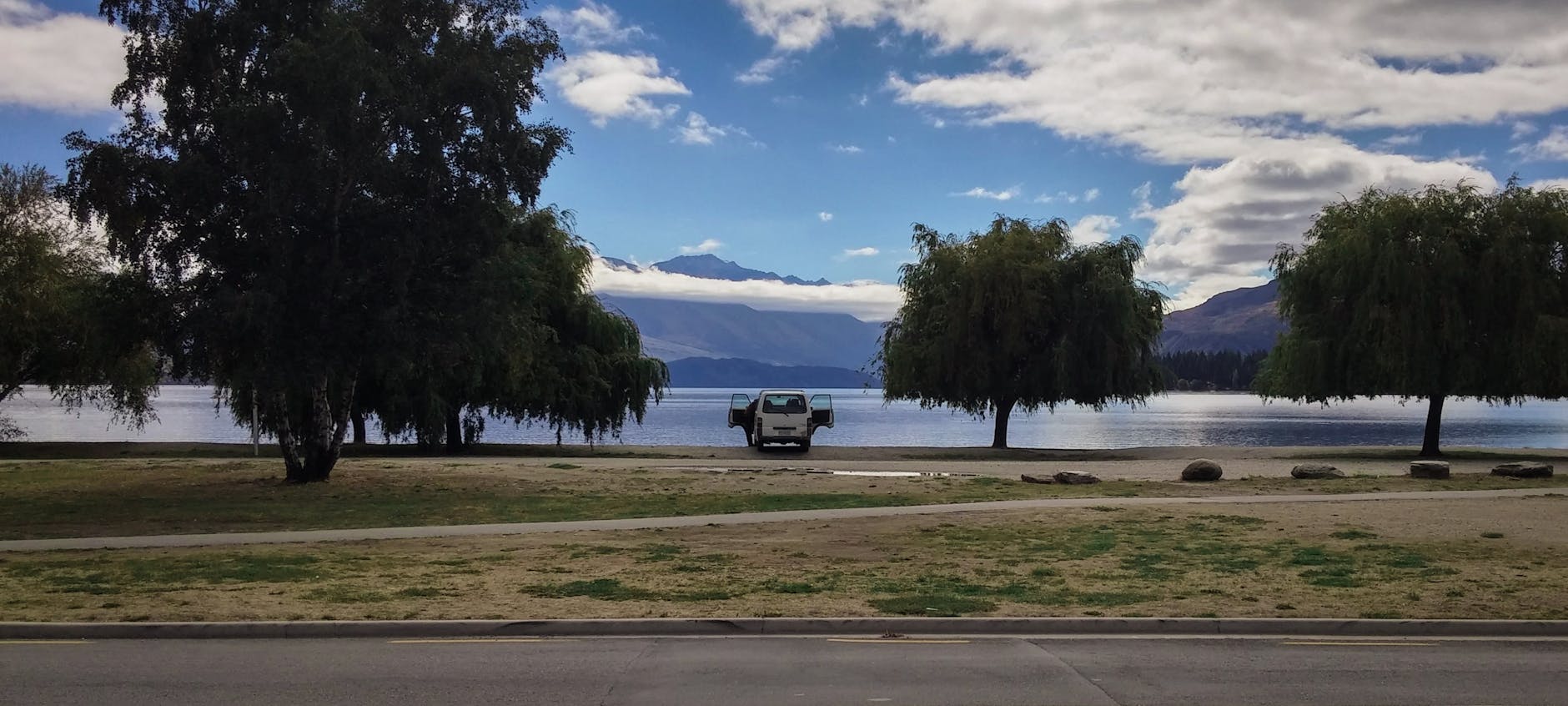
What Makes New Zealand So Special
New Zealand is one of the few countries on earth that doesn’t have snakes. That is reason enough to label it as being “special!”
Aside from that, the country is well known worldwide for the incredible diversity of its landscapes. In the North Island, you’ll see geothermal steam rising from the ground, rolling green hills, and soft black-sand beaches. Over on the South Island, there are glacier valleys, sharp mountain peaks, and lakes so clear they look painted.
Throughout the country, you’ll find scenic New Zealand attractions that all feel authentic. There is always a lookout, a short trail, or a stunning stretch of coastline around the corner.
Throw in its rich Māori culture that dates back centuries, mind-boggling adrenaline activities like bungy jumping and heli hiking, and its excellent food and wine scene, and it’s no surprise that so many travellers choose to come here.
What’s the Best Way to See New Zealand’s Natural Beauty?
In my opinion, the best way to see New Zealand’s natural beauty is to explore it at your own pace. This allows you to see what you want, when you want, and for the exact length of time you want.
While New Zealand has a good transport infrastructure, if you’re looking to explore and give into your adventurous side, it would be best to look into hybrid car rentals for a reliable way of navigating your way around. Given that you may well rack up the kilometres going from place to place, you’ll save a lot more money on fuel. Just make sure you tell the rental company where you intend to visit, as they will recommend the best vehicle for the terrain.
The roads in New Zealand are a joy to drive on (most of the time at least!), and they connect you to most parts of the country, including the major cities and regional areas. Due to the country’s size, everything feels reachable. So, you rarely face the prospect of having to spend hours getting from A to B.
The Best Natural Places in New Zealand
Even though you might know about it in advance, the variety and sheer majesty of New Zealand’s landscapes still surprise most visitors.
The great thing about visiting the country is that it is built around the outdoors. This means you can access these landscapes all year-round. Here are some of the main highlights to schedule into your itinerary.
North Island
The North Island is characterised by its warm colours, gentle contours, and volcanic energy. Rotorua is one destination that stands out for its geothermal parks, bubbling mud pools, and steaming vents. These features make the region feel alive. The smell of sulphur, the sound of boiling water, and the rising steam all create an experience you do not find easily elsewhere. Best of all, viewing paths sit close to the action, which means you’ll get a superb view of them.
Elsewhere, Lake Taupō is a large crater lake situated in the caldera of Taupō Volcano. It is a terrific spot for sailing, water skiing, and kayaking, and there are short tracks around the water that you can explore on foot. Further north, the Bay of Islands boasts clear water, sandy coves, and warm temperatures (by New Zealand standards!). From here, you can take boat trips to tiny islands, rocky formations, and quiet swimming spots.
Tongariro National Park adds another layer of depth to the North Island. The park accommodates three active volcanoes: Tongariro, Ruapehu (which has ski slopes) and Ngauruhoe (you might recognise this as Mount Doom in “The Lord of the Rings” films). These volcanic peaks rise sharply from the plateau, and the landscape changes quickly from forest to alpine terrain. The views from the lower lookouts are dramatic, with the contrast between old lava flows and green valleys creating vivid, natural patterns across the ground.
South Island Highlights
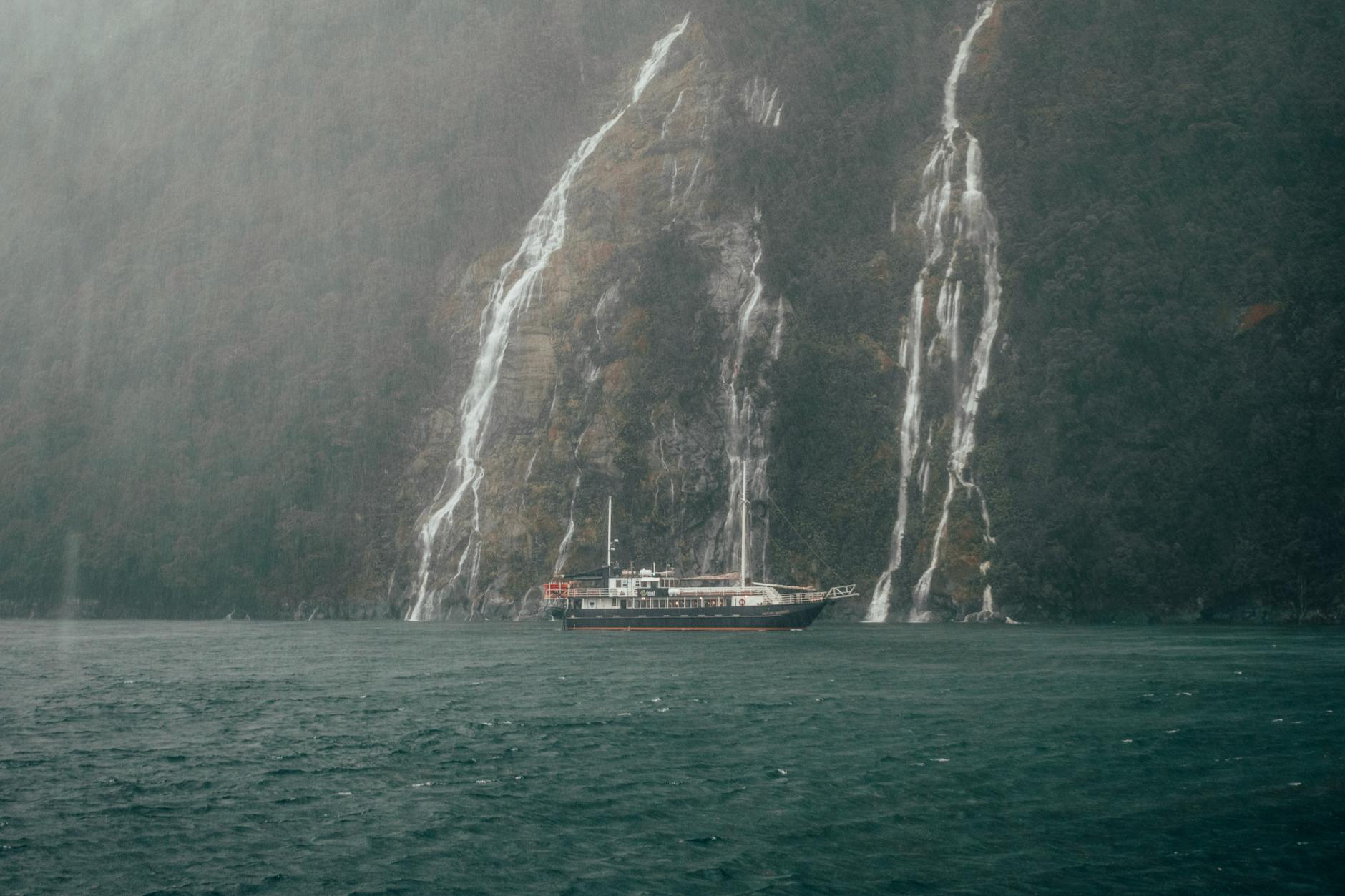
The South Island holds many of New Zealand’s most iconic natural sights, and one of the most famous is Milford Sound. This magnificent fjord is defined by its steep cliffs, dark waters, and waterfalls dropping from high points after rain. The best way to explore the area is by boat. On one, you’ll get a great view of the large rock walls that create strong reflections on the surface.
Queenstown and its surrounding area are another major highlight of the South Island. Here, the lakes are deep and clear, and mountains sit close to the shoreline. The colour of the water also changes with the light, shifting from strong blue to soft grey. You’ll be able to see this best by taking a lakefront walk. For foodies, there are also plenty of excellent places to eat in town.
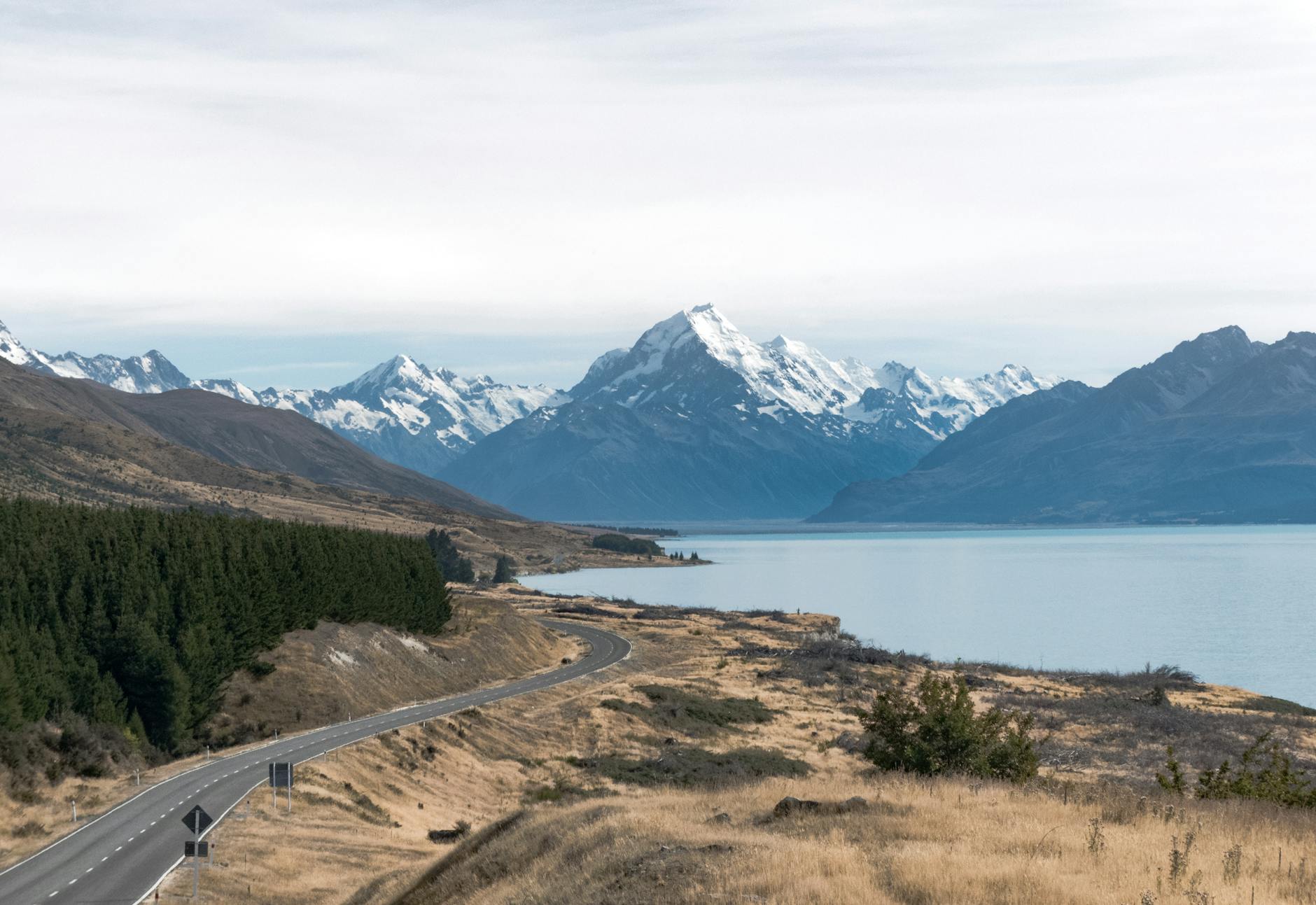
Elsewhere, Aoraki/Mount Cook National Park showcases magnificent alpine scenery. The mountains are tall, and the valleys stretch wide. If you are into hiking and photography, you’ll love this place. The Hooker Valley Track is one of the most popular short routes in the park. It leads across swing bridges and ends at a magical iceberg-filled lake. Get ready to be wowed!
Over on the West Coast, Franz Josef and Fox Glaciers sit in lush rainforest valleys. They feature an incredible combination of ice, rock, and greenery that creates a rare natural contrast. The walk to the viewing points is quite manageable for most fitness levels. The glacier face is mesmerising when seen up close.


 The Ranting Panda
Rant here!