
Snippets: How Technology Is Changing the Way We Document Travel and Food Adventures
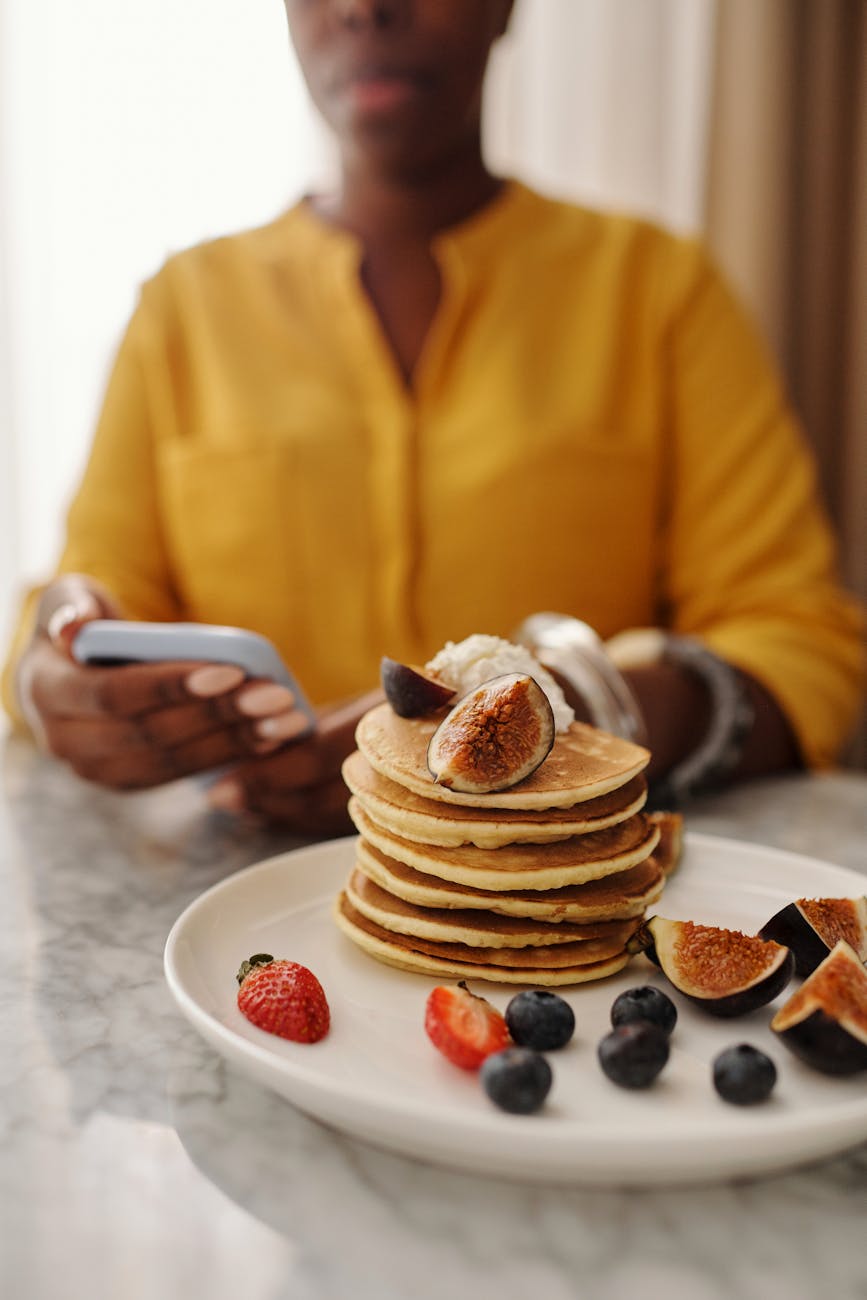 Photo by Diva Plavalaguna on Pexels.com
Travel and food memories used to live quietly in photo albums or half-forgotten phone galleries. A few blurry shots of a hawker stall, a short clip of street noise, maybe a handwritten note about where the best laksa was found. These days, documenting travel and food feels almost as immersive as the experience itself.
As someone who loves capturing meals and moments on the go, it’s hard not to notice how technology has quietly changed the way we tell these stories. From smarter cameras to easier editing tools, even something like an ai video translator now makes it possible to share food and travel videos with friends who don’t speak the same language as the local vendors you’re chatting with. The tools sit in the background, but the impact on storytelling is very real.
From Quick Snaps To Full-Blown Stories
There was a time when documenting a meal meant snapping a single photo before the food arrived cold. Today, it’s more common to capture short videos of the cooking process, ambient sounds of the space, or even quick reactions right after the first bite.
Technology has shifted documentation from static proof (“I was here”) to narrative (“this is what it felt like”). Phones now handle low-light markets, cramped cafés, and fast-moving street scenes far better than they used to, making it easier to document places as they are, not as carefully staged versions of them.
Food Videos Are Becoming Part Of The Experience
Food content in particular has evolved. Instead of just photographing the final dish, many travelers now record sizzling grills, broth being poured, or the rhythm of a hawker working through a lunch rush. These clips add context that photos alone can’t capture.
What’s interesting is how little effort this takes now. Editing apps are intuitive, trimming and stabilizing clips automatically. You don’t need to be a professional content creator to put together something watchable. The focus stays on the food, not the software.
Language Barriers Are No Longer A Wall
One of the biggest changes in documenting travel adventures is how language barriers are handled. In the past, explaining what a dish was or what a vendor said often meant guessing, paraphrasing, or leaving things out entirely.
Now, tools that handle translation and voice processing make it easier to preserve meaning. Whether it’s adding subtitles to a video or translating spoken explanations, technology helps keep local voices intact rather than filtering them through vague descriptions. That’s a subtle but important shift, especially when sharing food culture across borders.
Editing On The Move Has Become Normal
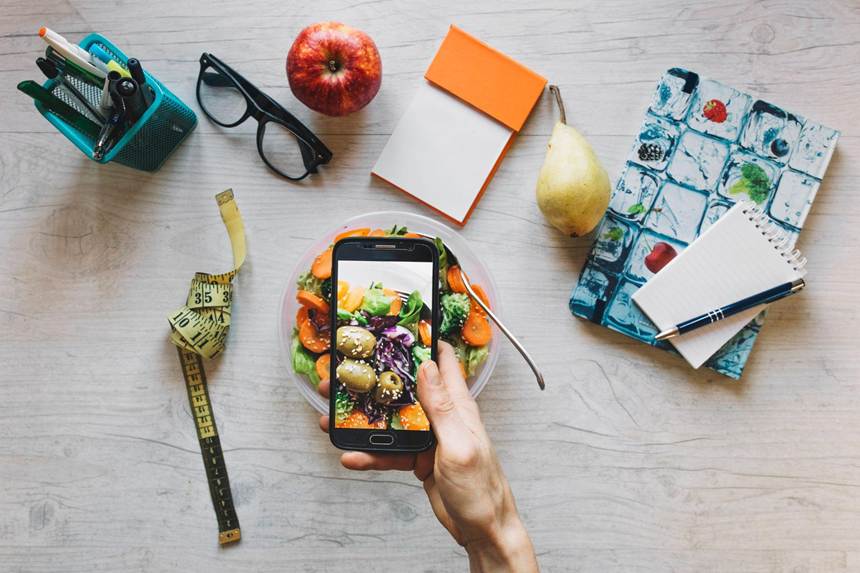
Image from Freepik
Editing used to be something done at home, long after the trip ended. Now, it happens in hotel rooms, airports, or even cafés between meals. Mobile apps allow travelers to clean up clips, adjust sound, and assemble short stories while the experience is still fresh.
This immediacy changes how content feels. Posts and videos are less polished, but more honest. They capture the mood of the moment instead of a carefully reconstructed version of it weeks later.
Sharing Is No Longer Just For Social Media
While social platforms still play a big role, many travelers document food and travel experiences simply to remember them better. Private video journals, shared family folders, or small group chats have become common places where these stories live.
Technology supports this quieter kind of sharing too. Easy storage, automatic backups, and simple organization tools mean moments don’t disappear when phones get upgraded or trips blend together over time.
Authenticity Matters More Than Perfection
One thing that hasn’t changed is what people actually enjoy watching or reading. Perfectly staged shots are impressive, but messy, real moments are often more relatable. Technology now supports that authenticity instead of fighting it.
You can record shaky street footage, uneven lighting, or spontaneous conversations and still end up with something meaningful. According to research highlighted by Google on video engagement trends, audiences consistently respond better to content that feels genuine rather than overly produced. That applies just as much to food and travel stories as it does to anything else online.
Food And Travel Blogging Feels More Inclusive
Another quiet shift is how inclusive documentation has become. Tools that improve accessibility, like captions, translated audio, or clearer sound, make travel and food content easier for more people to enjoy.
This isn’t about chasing reach; it’s about sharing experiences in a way that respects different audiences. When more people can understand what’s happening in a video or story, the experience travels further without losing its local character.
Looking Ahead: Less Tech, More Story
Ironically, as technology improves, it becomes less visible. The best tools fade into the background, letting travelers focus on eating, walking, tasting, and exploring rather than fiddling with settings.
Documenting travel and food adventures isn’t about having the latest gadget. It’s about having tools that remove friction between the moment and the memory. As those tools continue to evolve, the stories themselves become richer, not because they’re more polished, but because they’re easier to tell honestly.
At the end of the day, technology doesn’t replace the joy of discovering a hidden café or stumbling upon an unforgettable meal. It simply helps make sure those moments don’t get lost along the way.


 The Ranting Panda
Rant here!