
Snippets: Exploring Gozo Like A Local Starts With Unlearning The Checklist
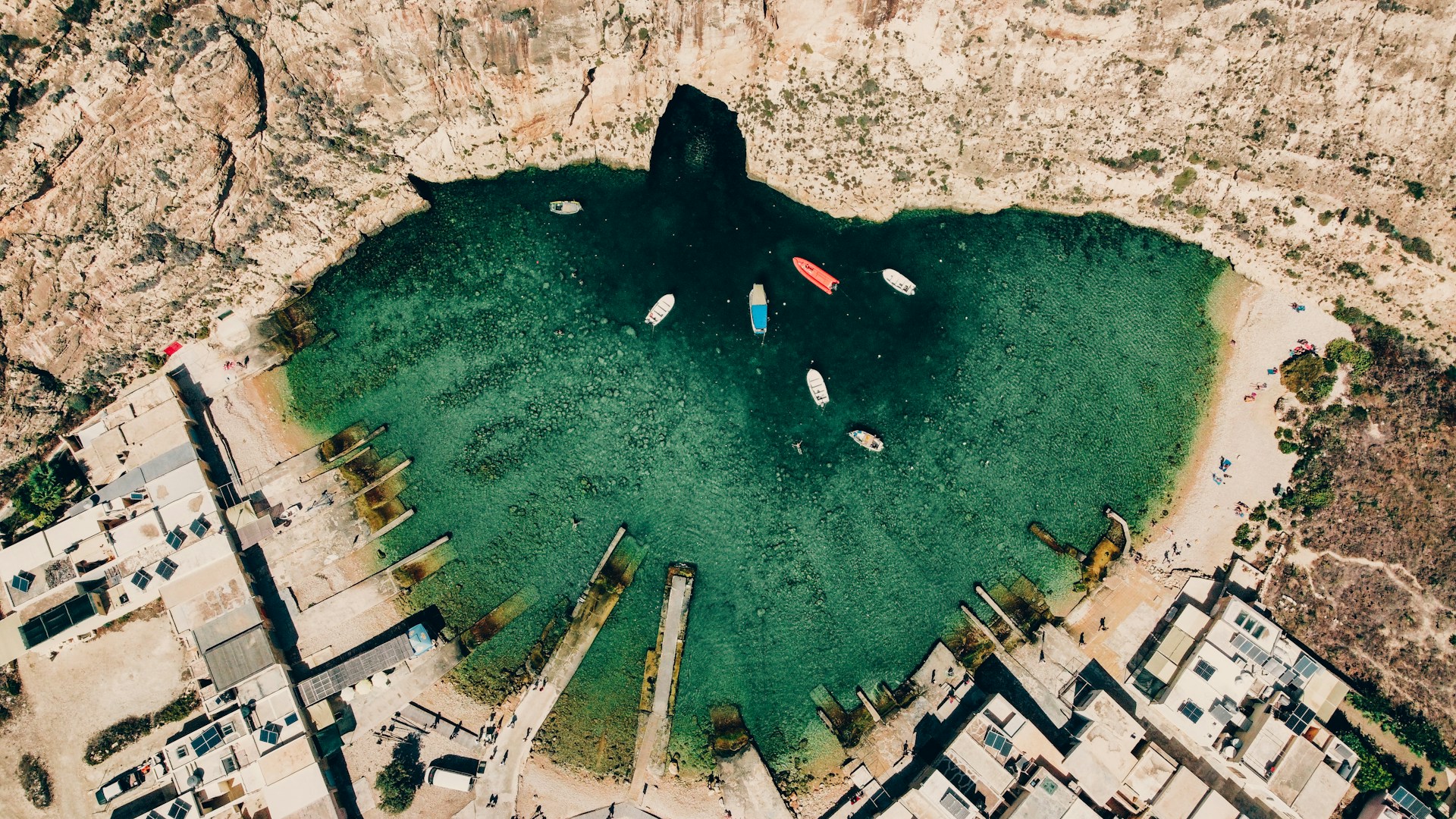
To experience Gozo properly, you have to abandon the idea that the island reveals itself through highlights alone. Locals don’t “do” Gozo; they inhabit it. The island’s small size encourages repetition rather than conquest. The same café, the same swim spot, the same village loop after dinner. This rhythm matters more than ticking off landmarks. I’ve found that the more days you repeat the same route, the more the island opens up in quiet, practical ways: shorter conversations turn into longer ones, and unfamiliar roads stop feeling like shortcuts and start feeling like habits.
Where you stay quietly shapes everything that follows
Choosing a base in Gozo isn’t about luxury tiers, but about how your day unfolds. Staying in Victoria means mornings start with errands within walking distance: bakeries, pharmacies, coffee bars. You feel plugged into daily life. In Xagħra, space and elevation dominate; evenings are quieter, views longer, and driving becomes essential. Coastal areas like Marsalforn and Xlendi feel lively in summer but hollow out midweek in winter. A small but telling detail: locals rarely recommend by star rating. A well-run 3 star hotel in Gozo is often chosen for location and reliability, not amenities, especially by visiting Maltese families.
Time in Gozo runs on an unofficial clock
Gozo operates on an internal schedule shaped by heat, wind, and routine. Early mornings are practical: swims, shopping, repairs. Midday slows everything, especially in August, when even conversation feels heavy. Evenings stretch. Dinner at eight feels rushed; nine is normal. If you match this tempo, you’ll notice roads emptying when you expect traffic and cafés filling just as you think they’re closing. One overlooked factor is festas. They don’t just add noise; they reroute the island. Parking patterns, bus routes, even opening hours shift subtly, and locals adjust without comment.
Moving around like someone who lives there
Driving is common, but not constant. Locals think in short hops, not scenic loops. They avoid peak ferry times at Mgarr Harbour and know when walking beats driving. Buses exist, but they’re used strategically, often for single-direction trips. Walking is underestimated. Many village-to-village routes are quicker on foot, especially in cooler months, and reveal agricultural pockets most visitors never see: terraced fields, tool sheds, seasonal crops like broad beans and pumpkins. These routes explain why locals don’t see Gozo as “small” despite its size.
Swimming as a daily habit, not a beach day
Locals swim often and briefly. Ten minutes before work. A quick dip after errands. Sandy beaches are occasional treats; rocky entries are the norm. Choices depend on wind direction, water clarity, and light, not online rankings. West-facing spots shine in the afternoon; north-facing ones work better early. Winter swimming is common and changes how you read the coastline. You stop asking where the “best” swim is and start asking where today’s swim should be. This mindset shift is key to feeling local.
Eating out less, choosing better
Gozo isn’t about dining out nightly. It’s about choosing the right place for the right moment. Weekend lunches are social and long; midweek dinners are functional. Menus change subtly with fishing conditions, not seasons alone. When lampuki disappears, locals notice. Portion sizes assume sharing, and ordering habits reflect trust. Asking “what’s good today” works better than scanning the menu. One personal observation: the best meals often happen on nights you didn’t plan to eat out at all.
Walking reveals Gozo’s true scale
Walking in Gozo isn’t hiking; it’s everyday movement. Short loops through valleys, cliff edges, and back streets create a mental map of the island that driving never does. You notice stonework differences between villages, changes in soil colour, shifts in vegetation. These details explain why two villages a kilometre apart can feel worlds away. Footwear matters more than fitness. So does wind awareness. Locals walk with purpose, but never rush.

Village life rewards stillness
Spend time in village squares and you’ll see how life layers itself. Children cycling. Elderly men debating football. Bar owners switching effortlessly between Maltese and English. Nothing is staged. Conversations unfold slowly and often start with observation rather than questions. Sitting still is an active choice here. It’s how you’re noticed, remembered, and eventually included, even if only briefly.
Festas are background, not centre stage
For locals, festas aren’t events to attend; they’re conditions to navigate. They affect noise, parking, and sleep long before they affect celebration. Fireworks test patience as much as enthusiasm. If you treat festas as texture rather than spectacle, they make more sense. Eat earlier, park farther away, and let the evening come to you.
Shopping with intention, not curiosity
Daily shopping follows patterns. Bread sells out early. Produce peaks mid-morning. Regulars are recognised without words. Knowing when to go matters more than where. This rhythm creates efficiency and familiarity, both of which locals value more than choice.
The underwater extension of daily life
Diving in Gozo is woven into normal routines, not framed as an excursion. Divers plan around wind, visibility, and access, often changing sites last minute. The most telling difference between visitors and locals is comfort with flexibility. A spontaneous decision to skip a dive can be as local as the dive itself. That mindset is essential if you ever try night diving in Gozo, where conditions and timing matter more than the plan.
Gozo rewards repetition, patience, and attentiveness. Explore it once and you’ll remember places. Explore it twice and you’ll remember people.


 The Ranting Panda
Rant here!