
Snippets: The Emotional Side of Traveling in Dublin | More Than Just Sightseeing
 Photo by Selim Karadayu0131 on Pexels.com
Traveling to Dublin is often described in terms of landmarks —Trinity College, the Guinness Storehouse, Temple Bar — but what stays with most visitors isn’t just what they see. It’s what they feel. Dublin has a way of reaching beyond the surface, offering an emotional experience that lingers long after the trip ends.
Unlike cities that impress with grandeur or scale, Dublin draws you in through intimacy. Its streets are not overwhelming; they are inviting. Its people are not distant; they are engaging. And its stories are not confined to plaques or museums — they are alive, woven into everyday conversations and encounters.
In fact, one of the best ways to tap into this emotional dimension early on is by connecting with local guides for Dublin walking tours. These experiences are not just about orientation; they provide context, personality, and a sense of belonging that transform how you perceive the city.
A City That Feels Personal
Dublin’s emotional impact begins with its scale. The city is compact enough to feel manageable, yet layered enough to remain intriguing. You are never too far from something meaningful — whether it’s a historic building, a quiet park, or a lively street filled with music.
This accessibility fosters a sense of connection. You don’t feel like an outsider observing from a distance; you feel like a participant moving through a shared space. Walking remains one of the most recommended ways to explore Dublin precisely because it allows visitors to experience the city at a human pace.
That pace is crucial. It gives you time to notice small details — the sound of street performers, the rhythm of daily life, the subtle shifts in atmosphere between neighborhoods. These details accumulate, creating an emotional texture that goes far beyond traditional sightseeing.
The Power of Human Interaction
One of Dublin’s defining characteristics is its people. Conversations happen easily here — whether with a shopkeeper, a bartender, or a stranger on the street. These interactions are often spontaneous, unfiltered, and genuine.
This openness contributes significantly to the emotional experience of travel. Instead of feeling like a transient visitor, you begin to feel acknowledged and included. Even brief exchanges can leave a lasting impression, adding a human dimension to your journey.
Local guides, in particular, play a key role in this process and can give travel advice. They act as cultural bridges, helping you understand not just the history of Dublin, but its personality. Through humor, storytelling, and personal insight, they make the city feel accessible and relatable.
History That Resonates Emotionally
Dublin’s history is not distant or abstract — it is immediate and tangible. Walking through the city, you encounter sites connected to moments of struggle, resilience, and transformation.
From political movements to cultural revolutions, these stories are embedded in the urban landscape. What makes them emotionally powerful is not just their significance, but their proximity. You are standing where events happened, where decisions were made, where lives were changed.
The city’s layered past creates a sense of continuity. You begin to see Dublin not as a static destination, but as a living narrative shaped by generations. Understanding this context deepens the visitor experience, turning historical facts into meaningful connections.
The Role of Storytelling in Emotional Travel
Storytelling is central to Dublin’s identity. It influences how the city presents itself and how visitors experience it. Rather than relying solely on visual appeal, Dublin engages through narrative.
This storytelling approach has several emotional effects:
- It creates empathy by focusing on people and experiences rather than abstract events
- It enhances memory by structuring information in a way that is easy to recall
- It builds connection by linking the past and present in a coherent narrative
When you hear a story about a place, it changes how you perceive it. A building is no longer just a structure; it becomes a setting for human experience. A street is no longer just a pathway; it becomes part of a larger story.
Music, Atmosphere, and Everyday Emotion
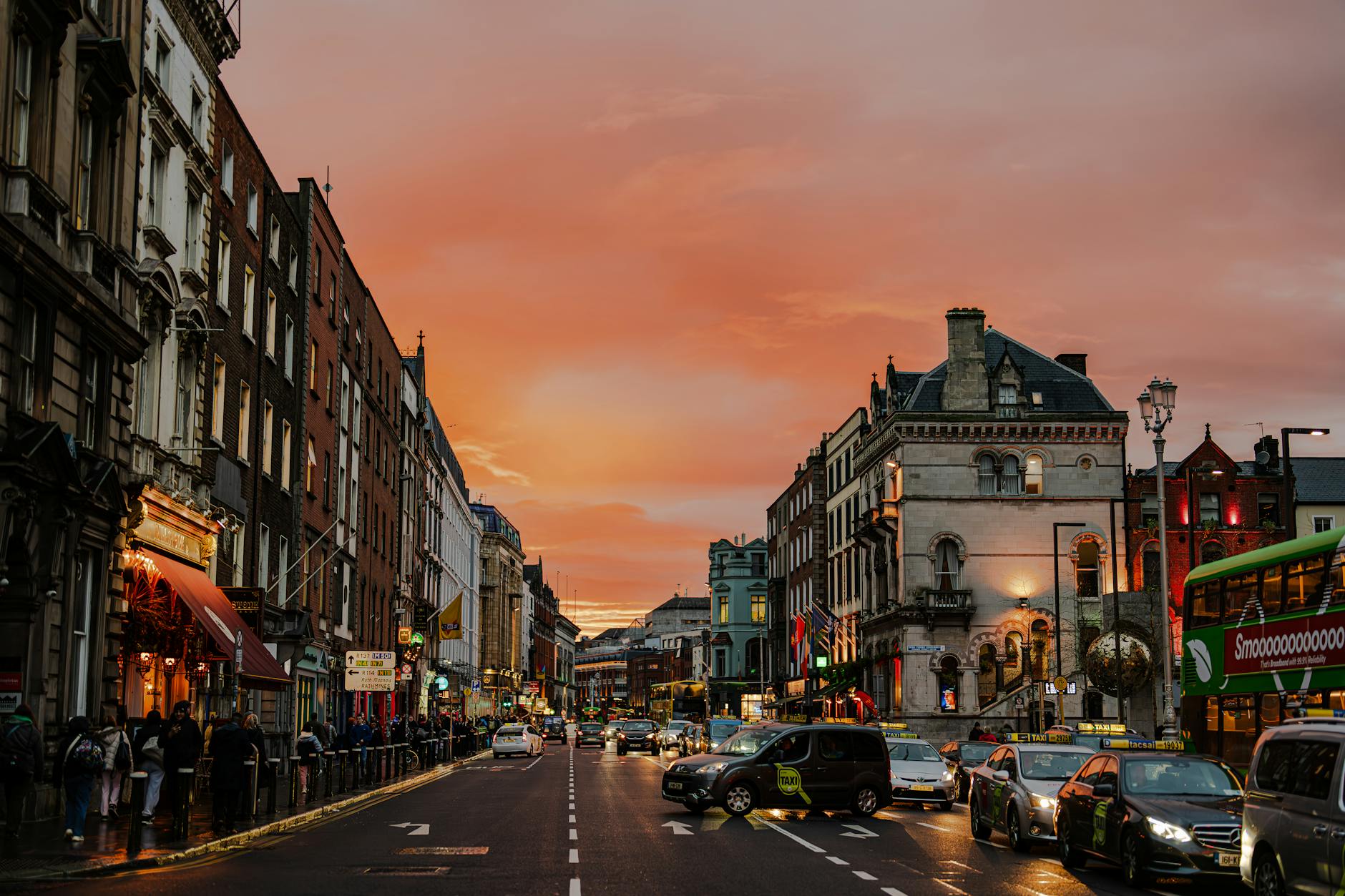
Dublin’s emotional appeal is not limited to history — it is also present in its everyday atmosphere. Music, in particular, plays a significant role. Whether it’s live performances in pubs or street musicians in the city center, sound becomes part of the experience.
This creates moments that are difficult to plan but easy to remember. You might find yourself pausing unexpectedly, drawn in by a song or a voice. These moments are often unstructured, yet they contribute strongly to the emotional impact of your visit.
Similarly, the city’s atmosphere shifts throughout the day:
- Morning brings a quieter, reflective tone
- Afternoon introduces energy and movement
- Evening transforms the city into a social, vibrant space
Each phase offers a different emotional experience, allowing you to engage with Dublin in multiple ways.
Why Emotional Travel Matters
Travel is often evaluated in terms of what was seen or accomplished. However, the emotional dimension is equally important — if not more so. It shapes how you remember your trip and how it influences you afterward.
Dublin excels in this regard because it does not rely solely on spectacle. Instead, it offers:
- Authenticity through real interactions and lived experiences
- Depth through layered history and storytelling
- Connection through its approachable scale and atmosphere
These elements combine to create a travel experience that feels meaningful rather than superficial.


 The Ranting Panda
Rant here!