
Food Review: Labyrinth At The Esplanade | An Innovative Ode To Celebrated Singaporean Hawker Dishes
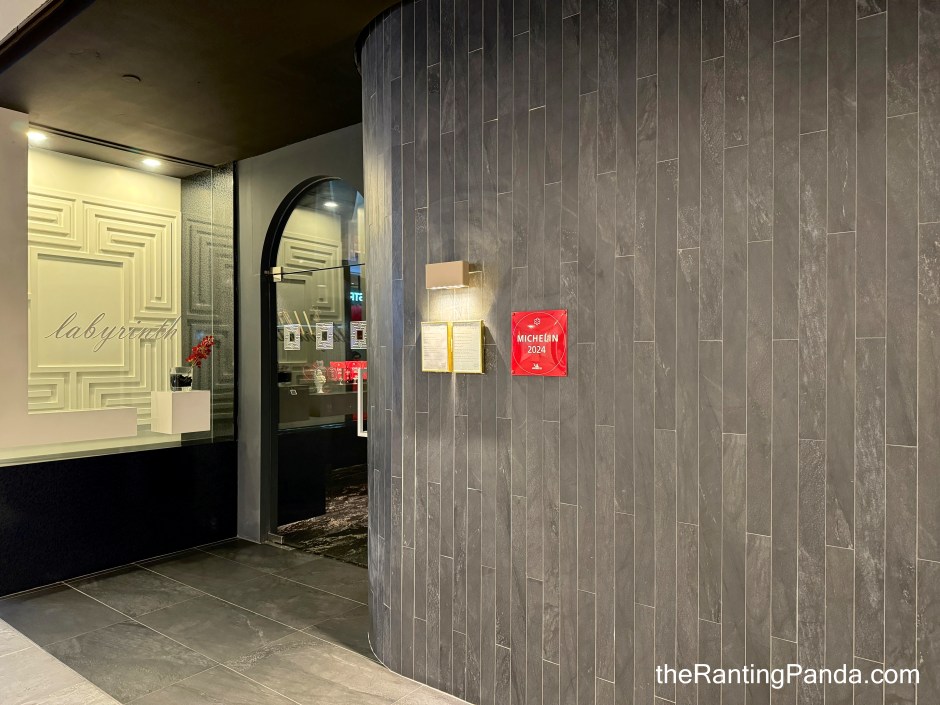
The Place Nestled within The Esplanade, Labyrinth has been around for a decade which is by no means an easy feat in Singapore’s competitive dining landscape, helmed by Chef Han Li Guang. I revisited the One Michelin starred restaurant recently after a hiatus of about six years, and the restaurant has undergone some changes in terms of its interior with redesigned dining halls and new artwork by Singaporean artists.
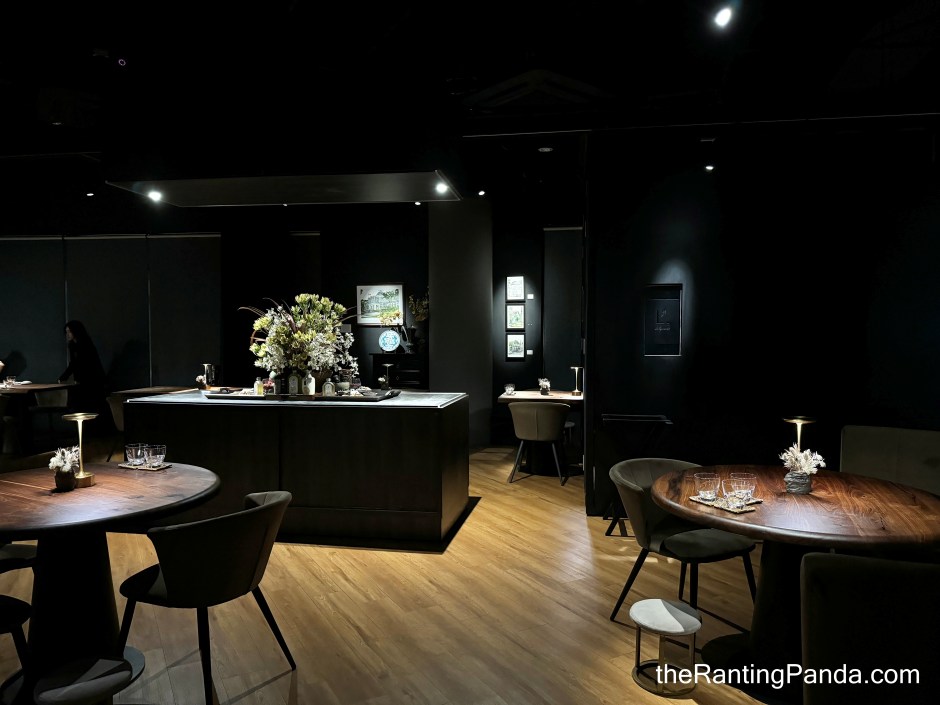
For one, no more white tablecloths but a more fine-casual dining vibe characterised by wooden tabletop instead. I like this new look better.
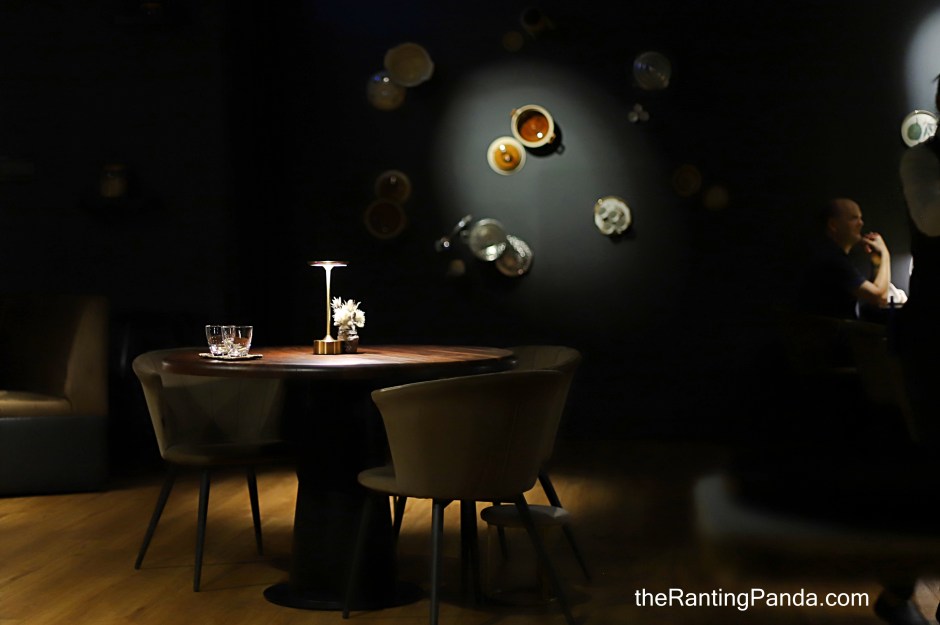
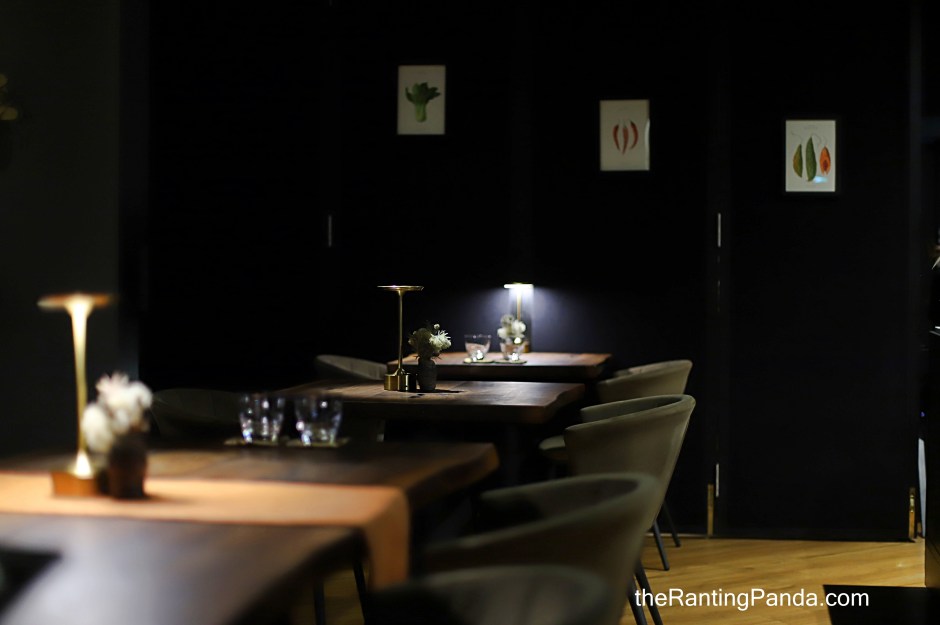
Labyrinth is also #11 on Asia’s 50 Best Restaurants in 2023, and #92 on World’s elegant feel.
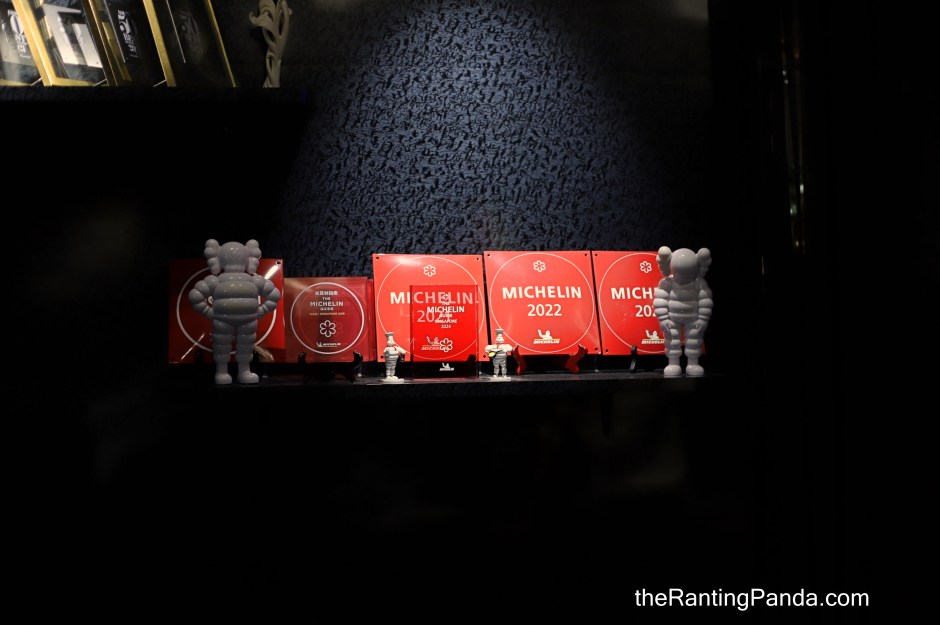
The Food The New Labyrinth Menu launched is an innovative approach to “New Singaporean” cuisine, available for lunch (S$208++ per pax), and dinner (S$298++ per pax). One main theme of the new menu is to rediscover and reinterpret Singapore’s vibrant hawker legacy in the contemporary lens of Labyrinth’s team.
I had the dinner menu and here is what to expect:
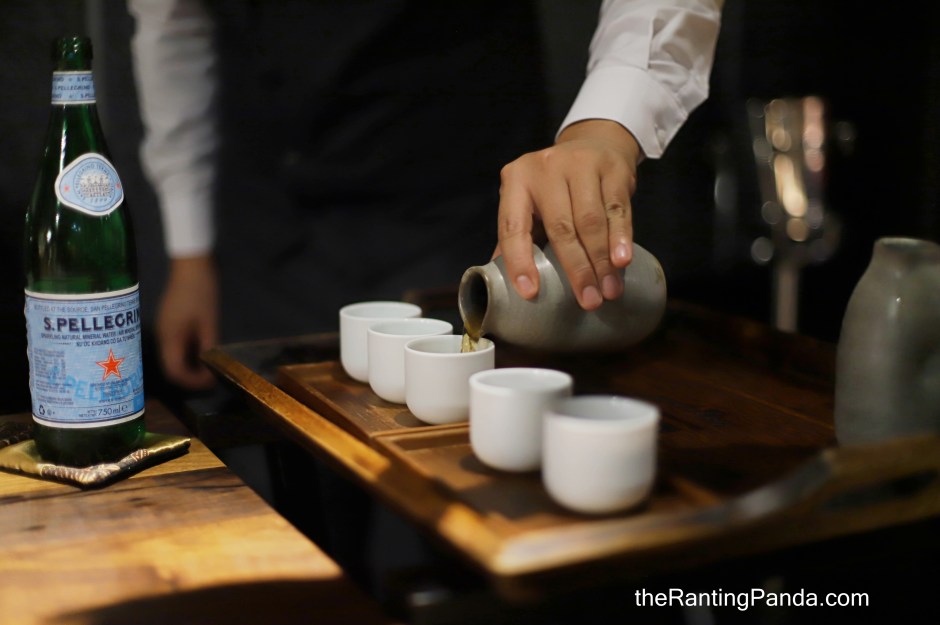
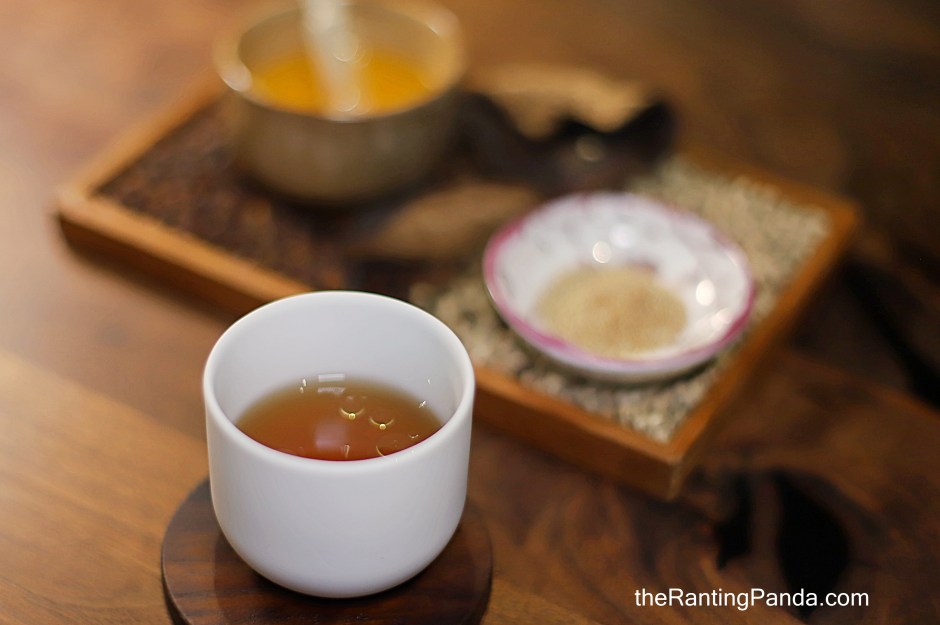
Bak Kut Teh
The first course is a comforting hot soup of ‘Bak Kut Teh” which has a nice tinge of peppery flavour from the crushed sansho pepper, white pepper and red pepper oil.
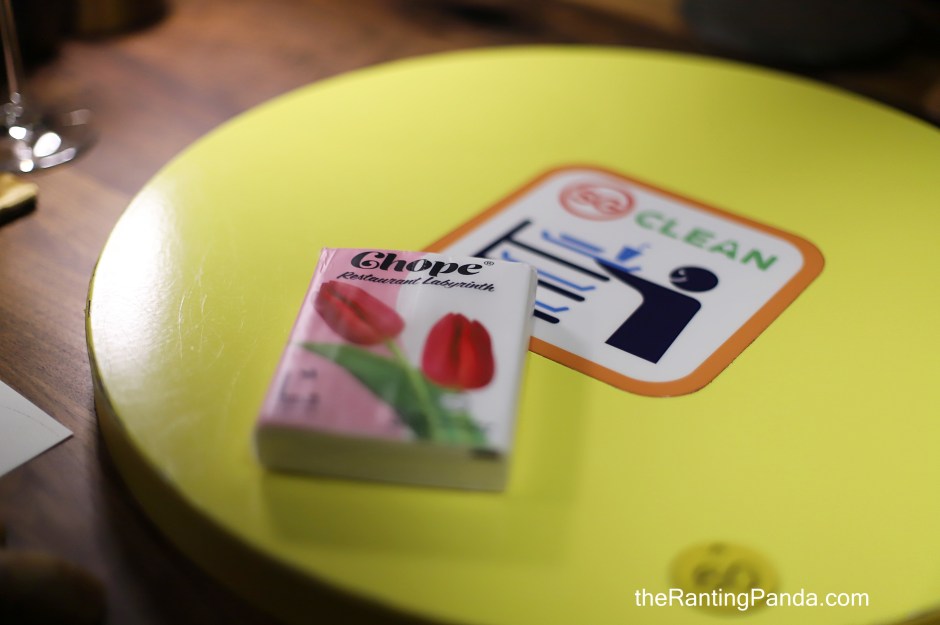
A trio of snacks are up next and before we know it, a round yellow “hawker centre” table was brought to our table as the table setting along with a quintessential Singaporean tissue paper to “chope” the table. Cute!
Ramly Burger
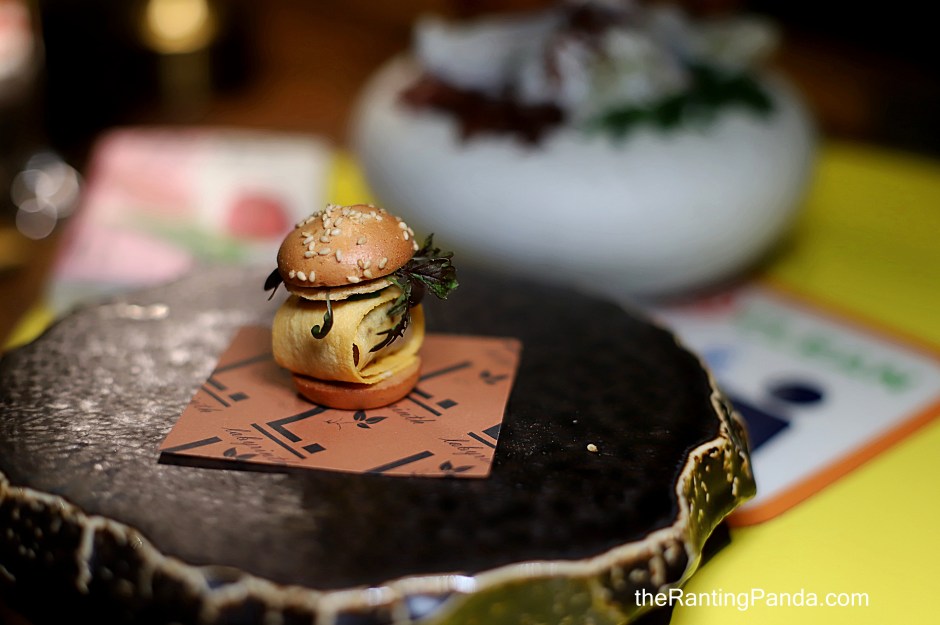
This is one of those dishes commonly found at Singapore’s Pasar Malam (Malay for night market). The Labyrinth version is unique and delicate as the buns are made from tomato meringue, so you get that light and crisp texture. Sandwiched between the buns is a patty of aburi rump steak, cheddar cheese wrapped up in an omelette and finished with Labyrinth’s ‘Ramly sauce’.
Fuzhou Oyster Bao
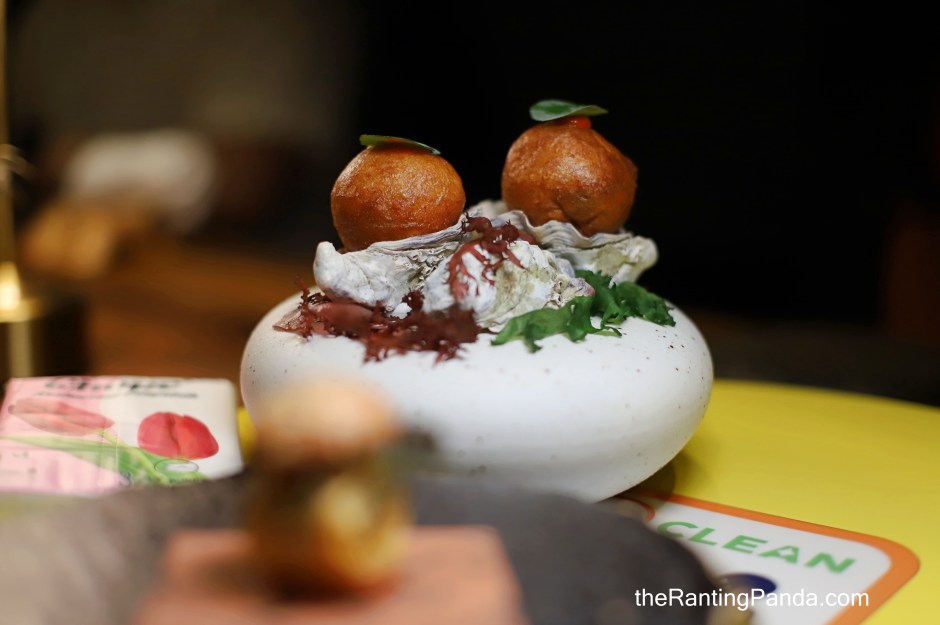
Inspired from the Fuzhou ‘haobing’ hawker stall, the oyster bao here include traditional ingredients like peanuts, minced pork and chili, which is why there is that kick of spiciness which lingered after I had it. The oyster used are David Herve oyster no. 4 and fried with the aerated espuma batter. Overall, the flavour light and easy to stomach due to the bite size portion.
Hainanese Curry Puff
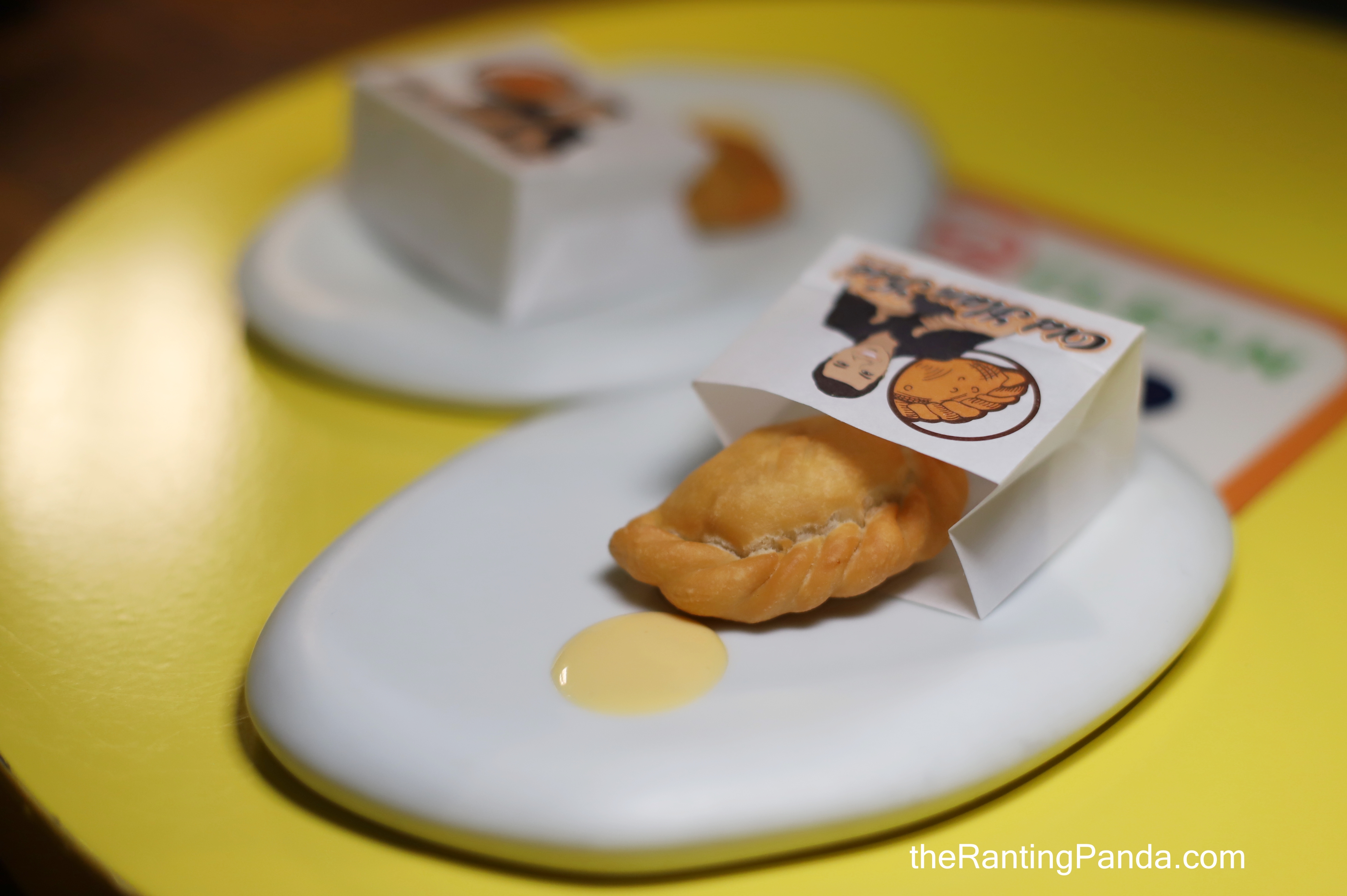
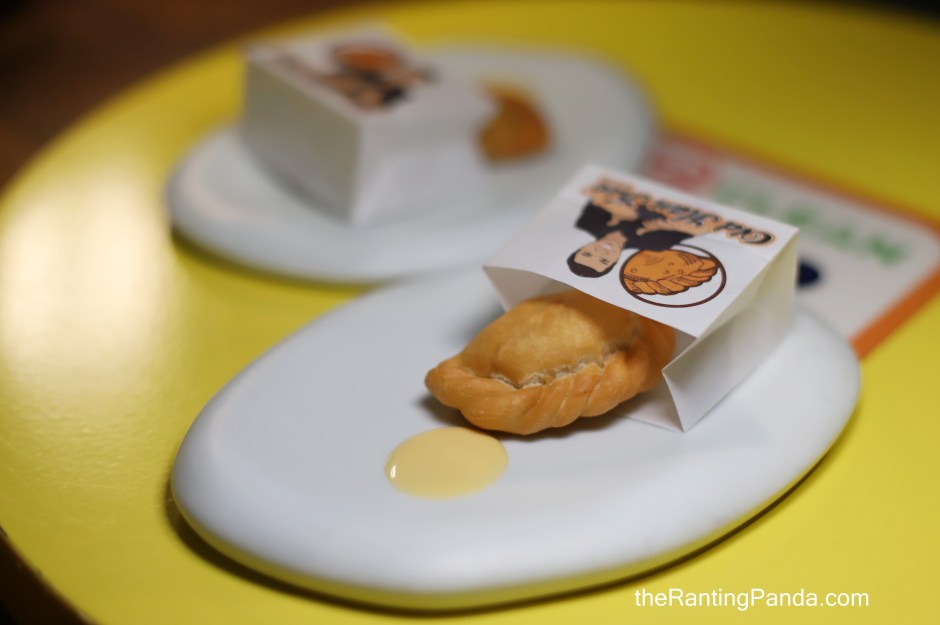
Inspired by the iconic Singaporean brand Old Chang Kee, the version here features a savoury filling of Japanese sweet potato, oyster mushroom, sweet corn and Iberico pork trimmings, all cooked in a traditional Hainanese curry sauce.
Satay Club
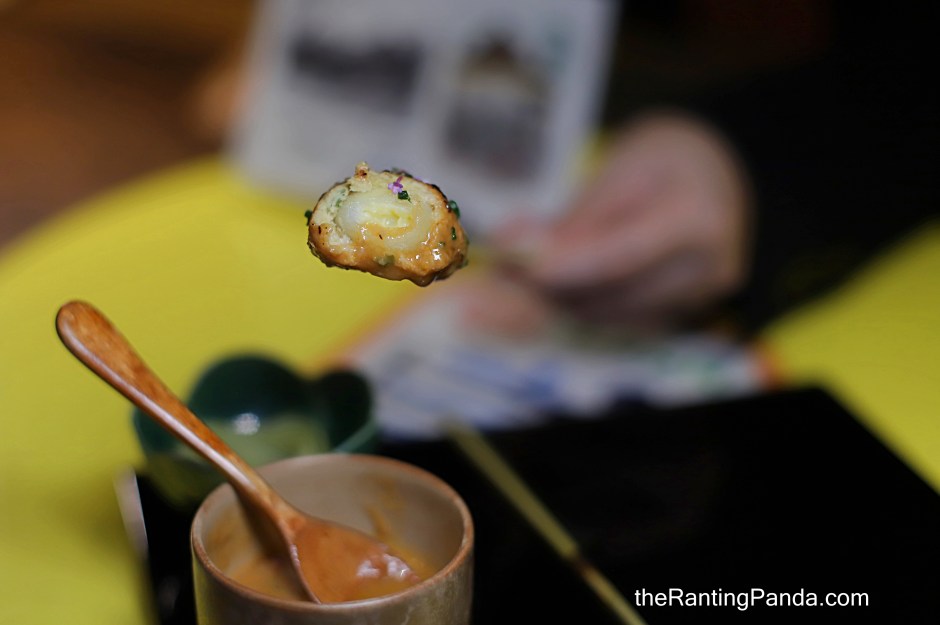
Inspired by the iconic Satay Club, there are two skewers here which highlights both Hainanese and Japanese culinary traditions. The pork satay is akin to Hainanese satay where it used pork loin and jowl, while the second skewer is a Japanese inspired chicken tsukune meatball filled with a soft-boiled quail egg.
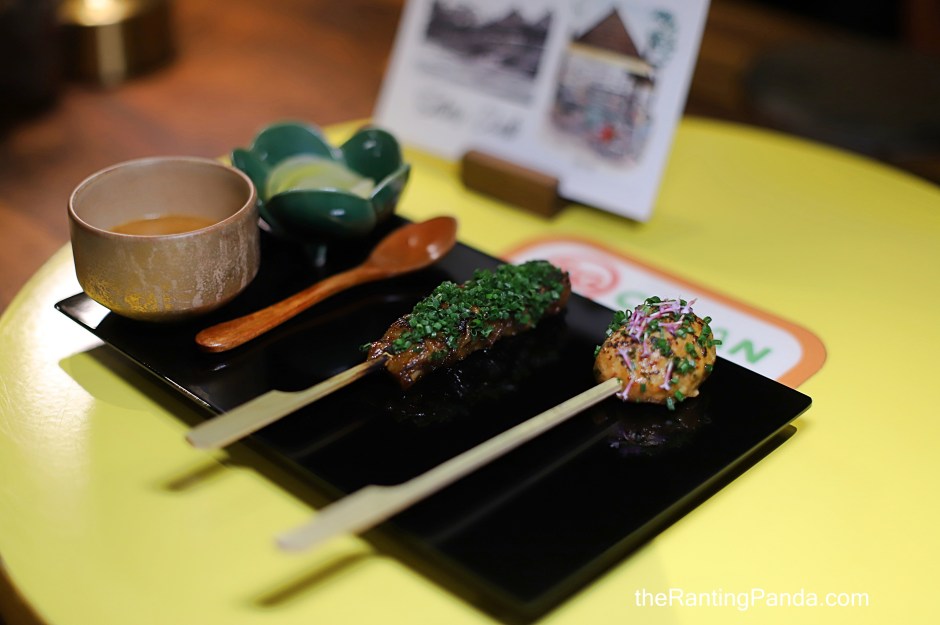
Have the skewers with the accompanying kare kare peanut sauce, a Filipino-inspired peanut sauce. Overall, I much prefer the pork satay which has a punchier flavour profile as opposed to the chicken.
Roti Boy
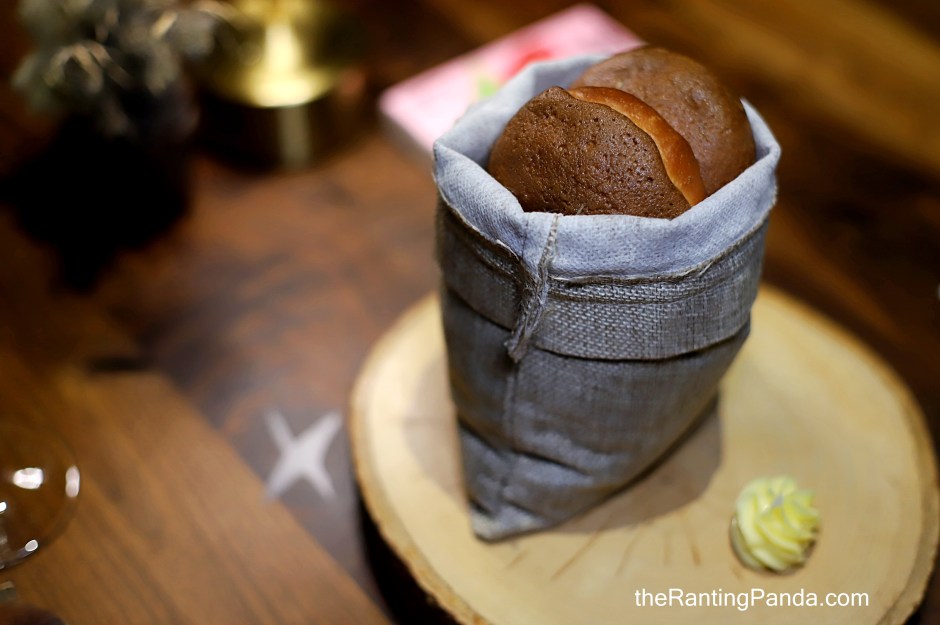
I was excited to spot my favourite childhood bun on the menu. This is the bread course of the meal, and I am not complaining. A subtly sweet brioche bread dough is wrapped around a slab of Bordier seaweed butter, leaving a space within which is then topped with Singaporean Tiong Hoe coffee craquelin. Bordier butter sprinkled with sea salt is served alongside, and I recommend just spreading all the butter on the bun. Delicious.
Wartime Rojak
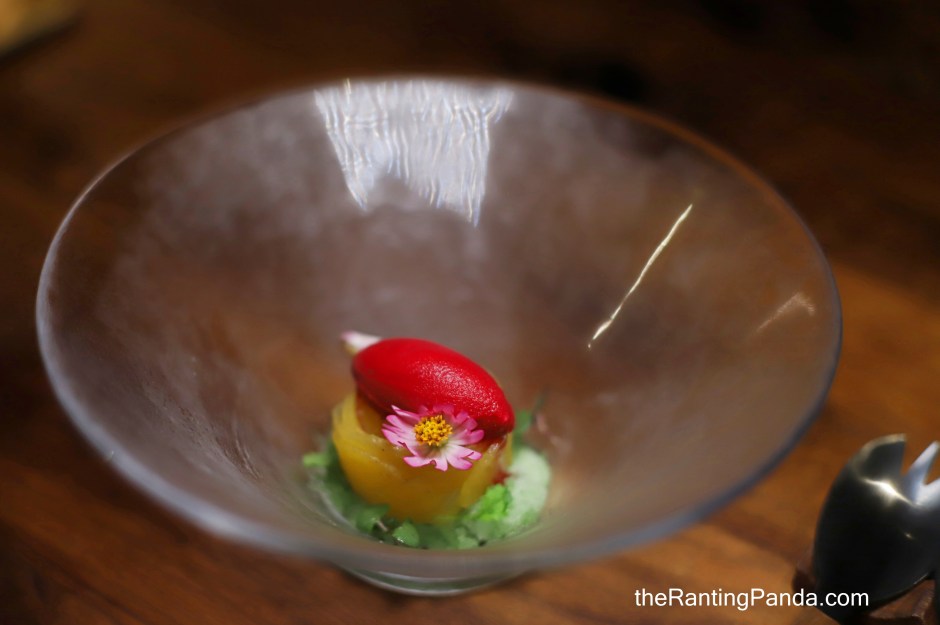
The original recipe is essentially an Asian salad with British influences of the era. The version here has beetroot being presented in two ways – a salt-baked rosette and a red beetroot sorbet, along with a granite of cucumber and lettuce with mint and sambal tomat. At the bottom of the dish is pineapple, with herbs of shiso, wasabi cress, sugar snap peas. It is then completed with a fried shallot slice and a fresh ulam raja blossom. The resulting flavour is a mix of cold texture, sweet and savoury flavours.
Char Kway Teow
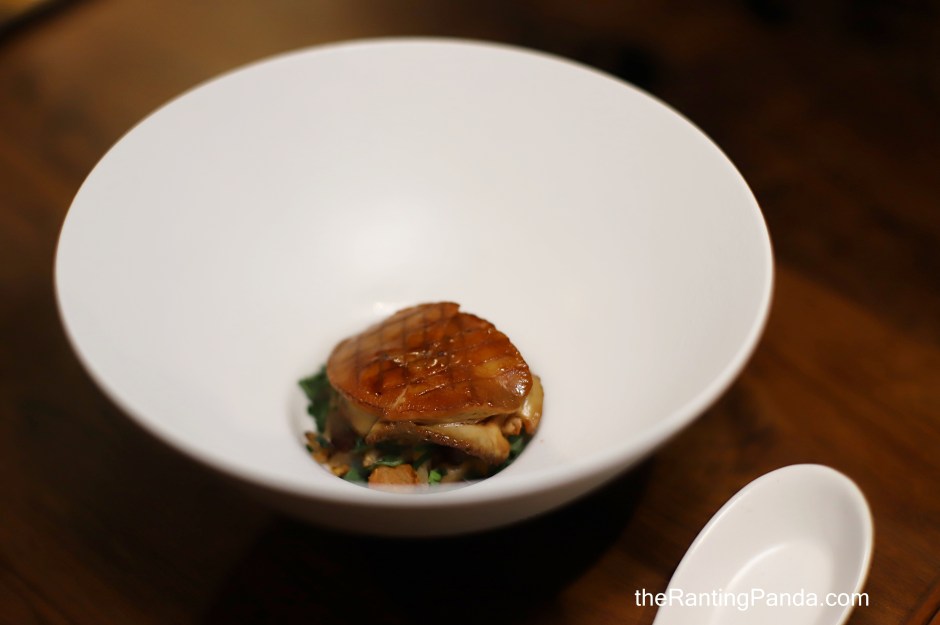
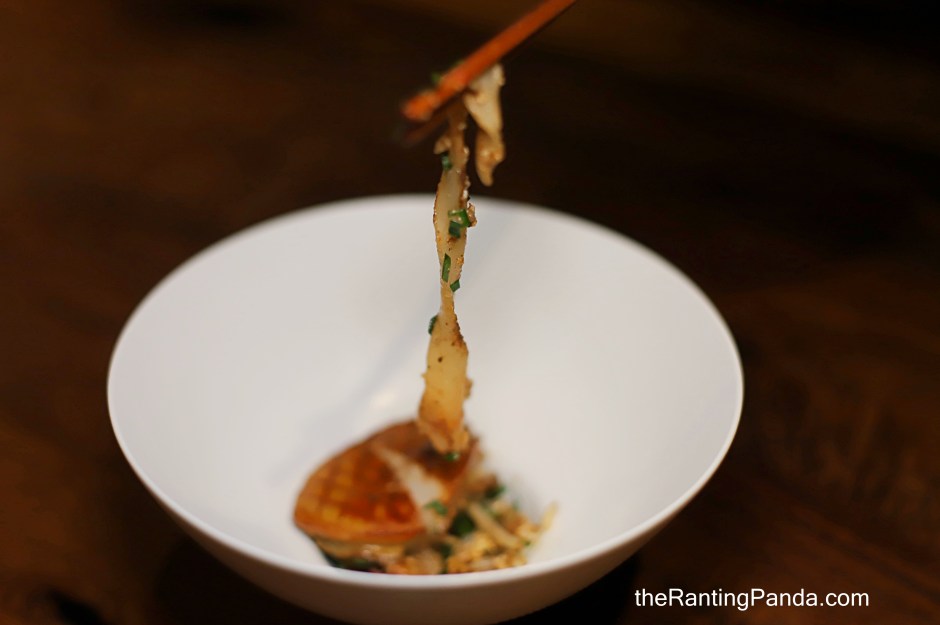
It looks like the familiar Char Kway Teow dish, but the surprise here lies in the noodles which uses sliced seabass fish maw instead. There are also other ingredients such as liver sausage, eggs and deep-fried lard for added crunchiness. The icing on the cake is the South African abalone which is dipped in tare and charcoal grilled to finish.
Laksa Siglap
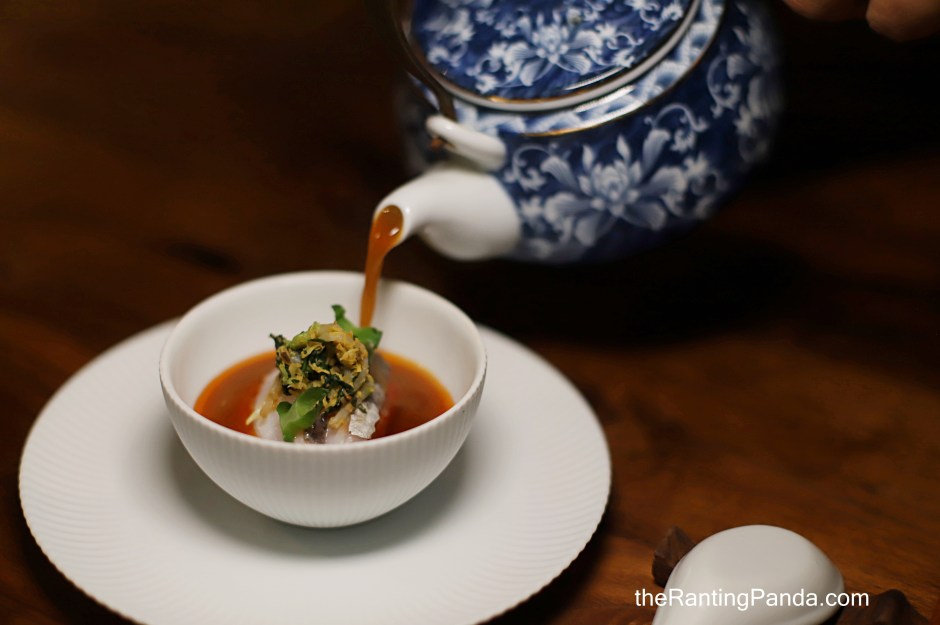
This is not the usual Nonya laksa flavour which I am more accustomed to, but a nearly forgotten Laksa Siglap. I like the savoury broth here, which has a tinge of chilli oil on the surface. Medai fish is also added to the noodles, topped with an urap – inspired by a Balinese salad – of wing beans, bean sprouts, spinach and desiccated coconut.
Chicken Rice
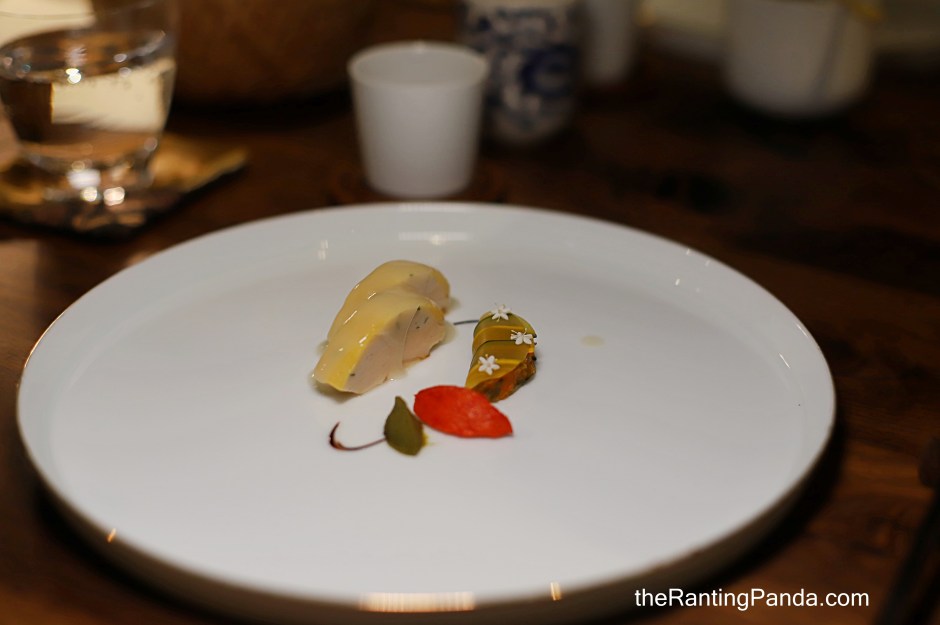
Not your usual chicken rice as this uses French GG poulet for the chicken breast, and the rice is also a twist as it is Japanese donabe-style with a mix of old Jasmine rice and Japanese Koshihikari rice.
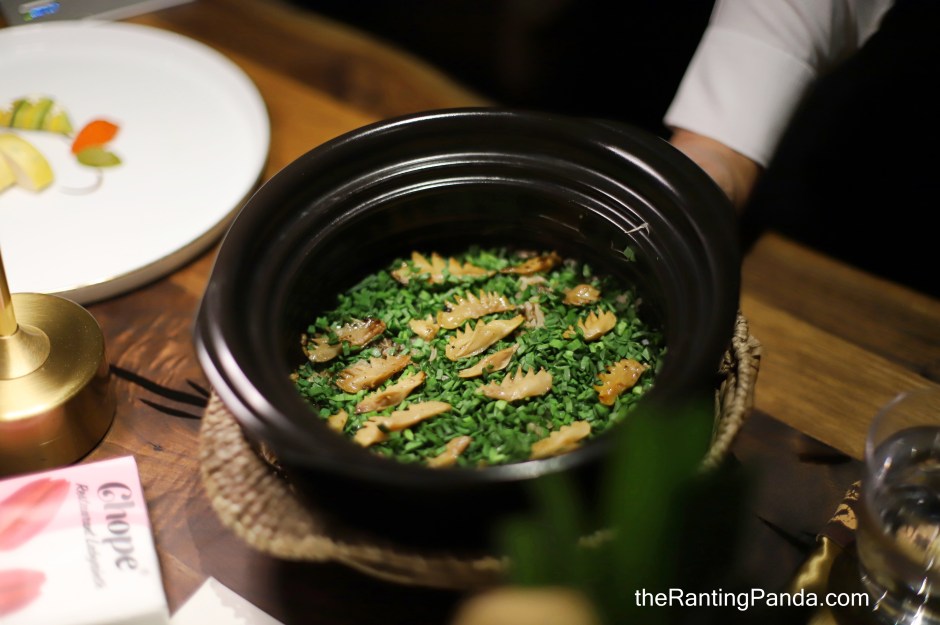
Of course, I must have it with the accompanying chili sauce. An innovative “achar taco” is served by the side made with pickled zucchini and dark soy sauce. I like the slight smokiness of the rice and the crispy crust texture.
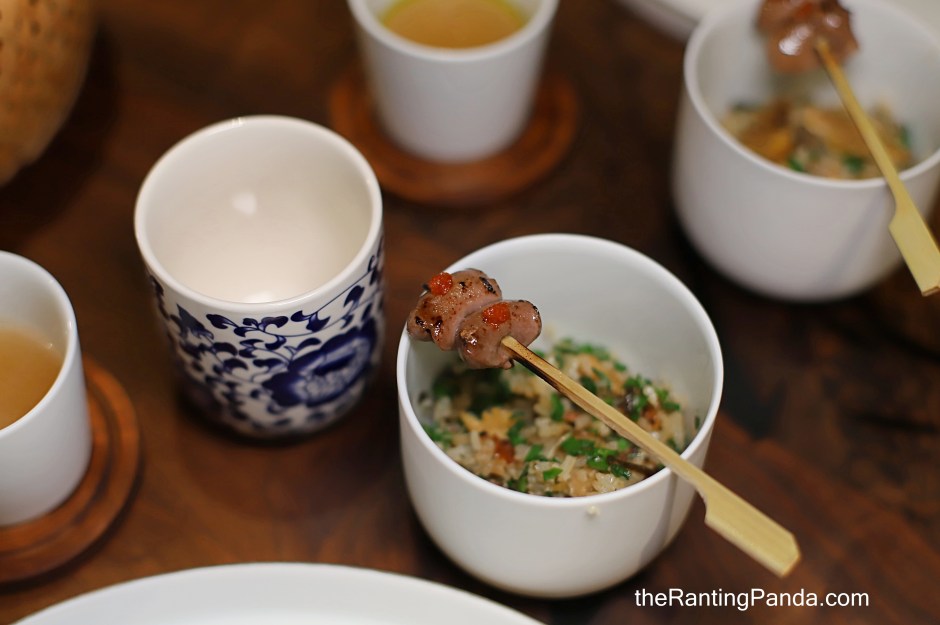
Another surprise is the grilled chicken hearts skewer with homemade red kosho which accompanies the rice. There is also a small bowl of clarified soup made with old hen essence, roasted garlic, lemongrass and ginger and finished off with spring onion oil.
Pisang Goreng
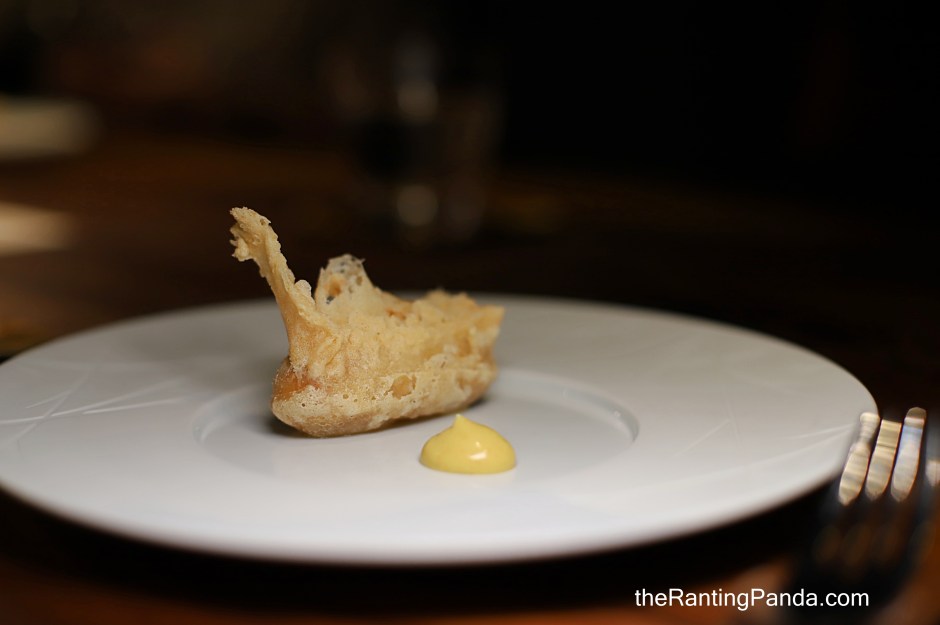
The first dessert course is inspired by the Malaysian street food goreng pisang, where the light and crisp batter stands out for me. The batter houses miso banana sorbet along with a spiced saffron pastry cream. The flavours are layered and delicious.
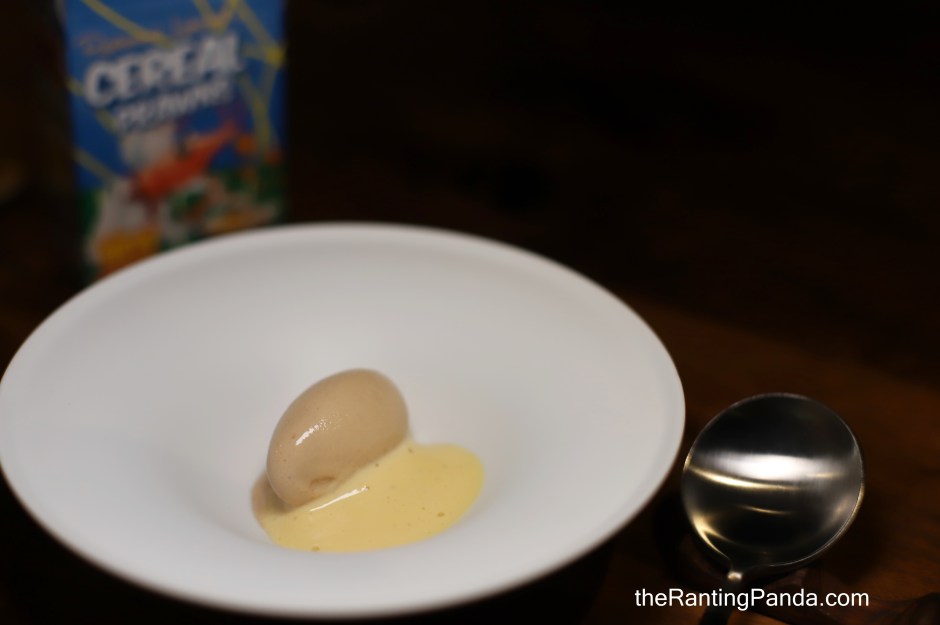
Cereal Prawn Ice Cream
The second dessert is not what I imagined it to be.
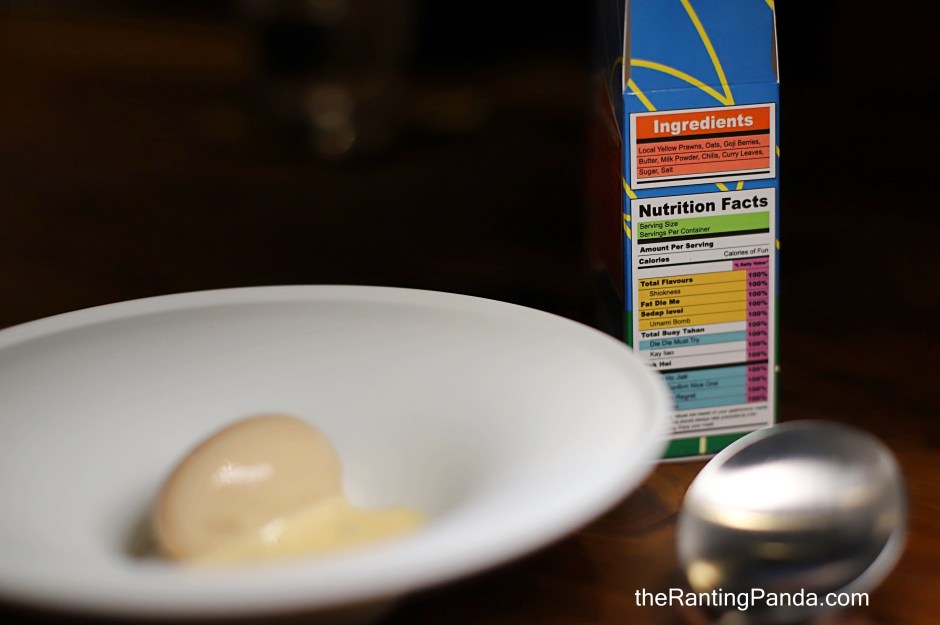
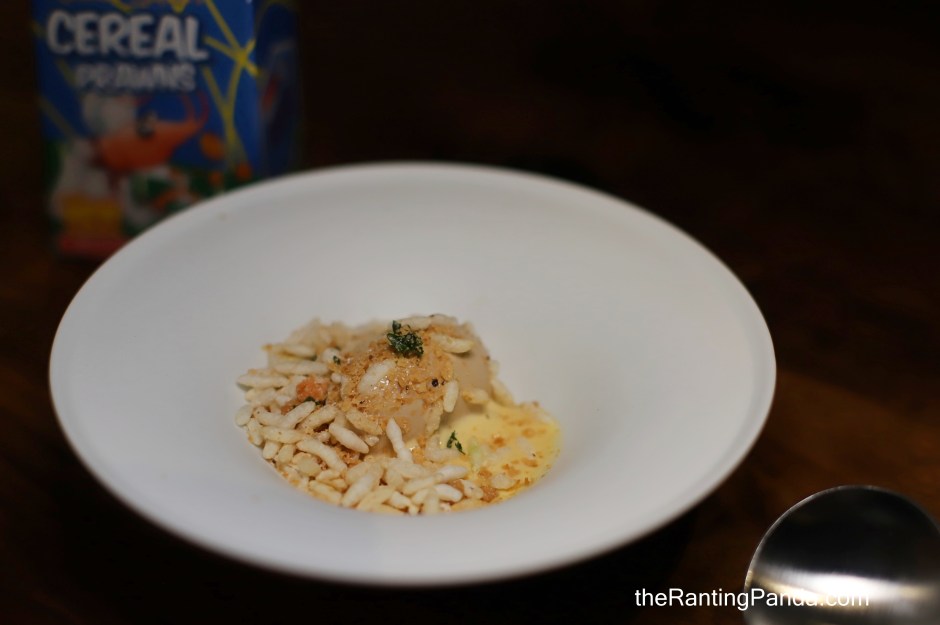
The Cereal Prawn here is a reimagined take on the iconic Singaporean ‘zichar’ dish in a dessert form. You get oatmeal ice cream infused with a 20-year-old Shaoxing wine, along with salted egg foam, warabi mochi, and goji berries soaked in 8-year-old Shaoxing wine.
There is also a box of special Chef-branded cereal box filled with puffed rice, sakura ebi, curry leaves, and caramelized oats for an added texture and crunchiness to complete the “cereal’ experience.
Jiu Niang Tang Yuan
Instead of petit fours, Tang Yuan is served as the last act of the meal as a symbol of completion and togetherness in Chinese tradition.
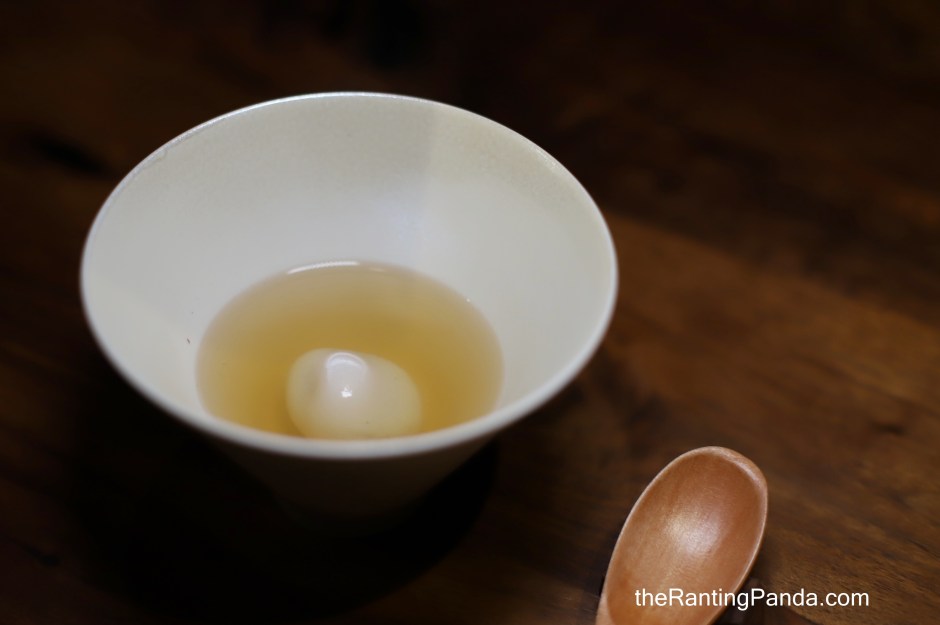
Glutinous rice lees and vegetable oil are incorporated into the skin of the tang yuan, which is filled with azuki red beans infused with tangerine peel. The syrup is a mix of Japanese ginger, beet sugar and a touch of local rice wine.
Rants There is only one fixed menu for lunch and dinner.
Will I Return Again? Some of the flavours and presentation of the dishes surprised me more than the others, and overall, it is quite a creative take and a concise summary of some of the most iconic Singaporean hawker dishes.
TheRantingPanda says:
Taste bud: 4/5
Hole in the pocket: 4.5/5
Ambience: 4/5
Overall Experience: 4/5
Labyrinth
8 Raffles Avenue
#02-23, Esplanade Mall
Singapore 039802
Opening Hours
Lunch
Friday to Sunday 12.00pm to 2.30pm (last order at 1.00pm)
Dinner
Wednesday to Sunday: 6.30pm to 11 pm (last seating at 7.30 pm)
Closed on Mondays & Tuesdays
Ranted by The Ranter


 The Ranting Panda
Rant here!