
Snippets: Senior Grocery Delivery | An Essential Guide for Caregivers
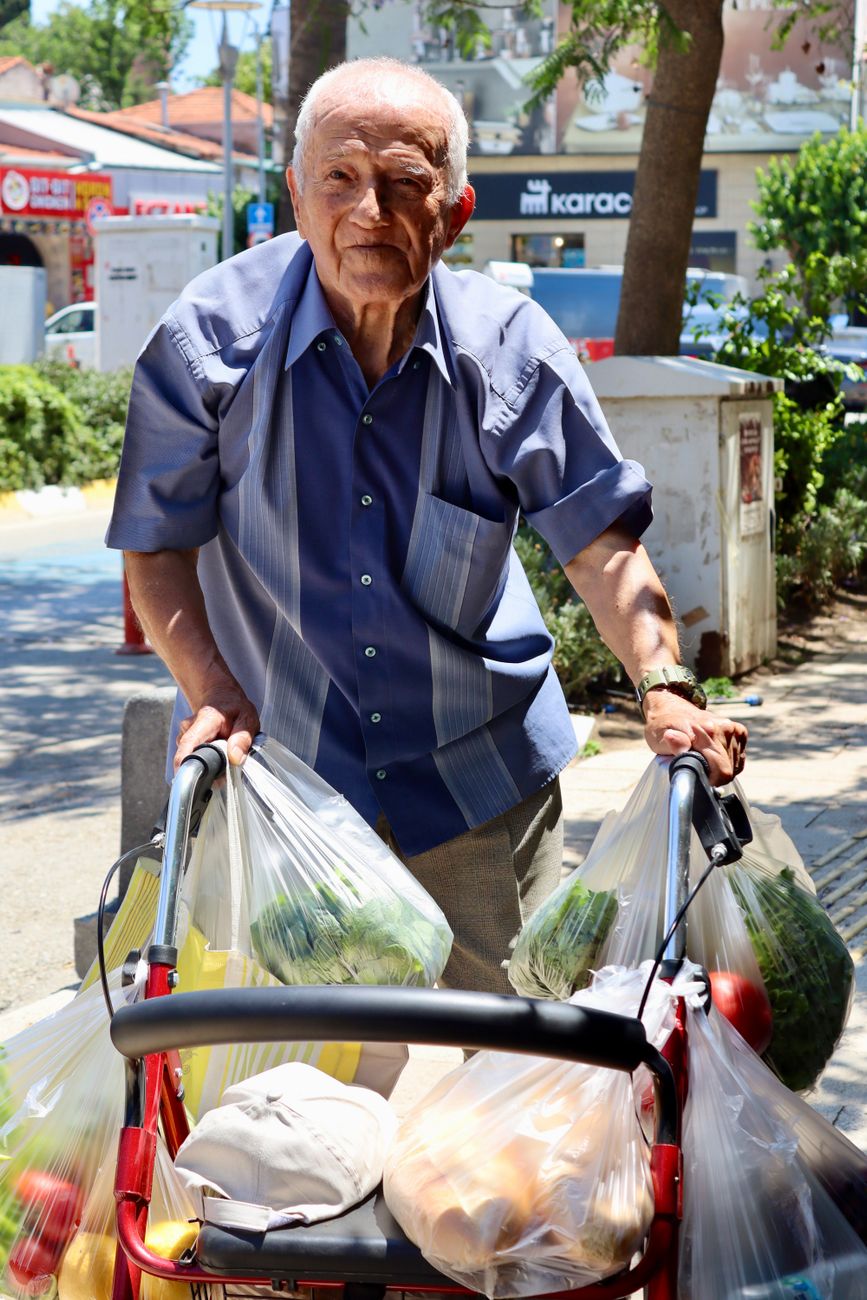
 Photo by Kampus Production on Pexels.com
Caregivers play a pivotal role in ensuring the well-being of seniors, and one crucial aspect of this responsibility is managing grocery needs. With the rise of Senior Grocery Delivery services, caregivers can now efficiently handle this task while ensuring convenience and safety for their loved ones. This guide will explore how caregivers can leverage these services, select the best options, and maintain quality and freshness in deliveries.
Senior Grocery Delivery Services for Caregivers
For caregivers, utilizing Senior Grocery Delivery services can significantly ease the burden of weekly shopping trips. These services are designed with Universal Design Principles in mind, ensuring that they cater to the specific needs of seniors. By integrating these principles, delivery services provide user-friendly interfaces and personalized assistance, making it easier for caregivers to place orders and track them. Additionally, many of these services offer specialized options such as dietary-specific groceries, which are crucial for seniors with medical dietary restrictions.
Statistics show that nearly 20% of seniors rely on delivery services for their groceries, highlighting the growing importance of these services in senior care (Source: Statista, 2023). By using a reliable service, caregivers can focus more on other important aspects of home care, knowing that grocery needs are efficiently managed.
For those considering Senior Grocery Delivery, options like GoGoGrandparent offer tailored services that cater specifically to seniors, providing peace of mind for caregivers.
Choosing the Right Grocery Delivery Service
When selecting a grocery delivery service, caregivers should consider several factors to ensure they meet the unique needs of seniors. One key aspect is the Home Energy Rating System (HERS), which, while traditionally used in assessing energy efficiency, can also relate to the sustainable practices of a delivery service. A service committed to sustainability often ensures better quality and fresher produce.
Caregivers should also evaluate the service’s reliability and customer support. A service with strong Construction Administration practices typically has a well-organized structure, leading to timely deliveries and efficient problem resolution. Reading reviews and checking for Green Building Certification can also provide insight into the company’s commitment to quality and sustainability.
Moreover, it’s essential to choose a service that offers flexibility in delivery times, ensuring that groceries arrive when most convenient for the caregiver and the senior.
Tips for Efficient Grocery Shopping for Seniors
Efficient grocery shopping for seniors involves more than just ordering items online. Caregivers can apply Value Engineering principles to optimize the shopping process. This involves prioritizing essential items and comparing prices to ensure cost-effectiveness without compromising quality.
Using a Design-Build Methodology, caregivers can create a structured shopping list that includes all necessary items, taking into account any dietary restrictions or preferences. This methodology streamlines the process, making it easier to manage recurring orders and adapt to any changes in the senior’s needs.
Furthermore, leveraging Building Information Modeling (BIM) concepts, caregivers can keep detailed records of past orders and preferences, allowing for a more customized shopping experience.
Ensuring Freshness and Quality in Deliveries
Maintaining the quality and freshness of delivered groceries is paramount. Caregivers should ensure that the chosen delivery service has robust Change Order Management systems in place. This ensures that any adjustments to orders, such as substitutions for out-of-stock items, maintain the quality standards expected.
Another critical factor is the speed of delivery. Services that adhere to strict schedules, akin to a Finish Schedule in construction, can better guarantee the freshness of perishable items. It’s also beneficial to select services that provide As-Built Documentation, offering detailed insights into the sourcing and handling of groceries.
Finally, caregivers should regularly conduct a Home Performance Assessment of the delivery service, evaluating factors such as timeliness, quality of produce, and customer service to ensure consistent satisfaction.
Conclusion
Senior Grocery Delivery services are an invaluable resource for caregivers, providing convenience and ensuring seniors’ nutritional needs are met efficiently. By selecting the right service and implementing effective shopping strategies, caregivers can focus more on the personal aspects of care. As senior care continues to evolve, these delivery services will undoubtedly play a crucial role in enhancing the quality of life for seniors and simplifying the responsibilities of caregivers.


 The Ranting Panda
Rant here!