
Why Travelers Are Pairing eSIMs With Virtual Phone Numbers in 2026
 Photo by RDNE Stock project on Pexels.com
Travel has changed dramatically over the last few years. Modern travelers no longer rely on paper maps, printed tickets, or hotel business cards tucked inside their wallets. Everything now lives on a smartphone — boarding passes, banking apps, ride-sharing services, restaurant reservations, and even hotel room keys. Staying connected has become just as important as remembering your passport.
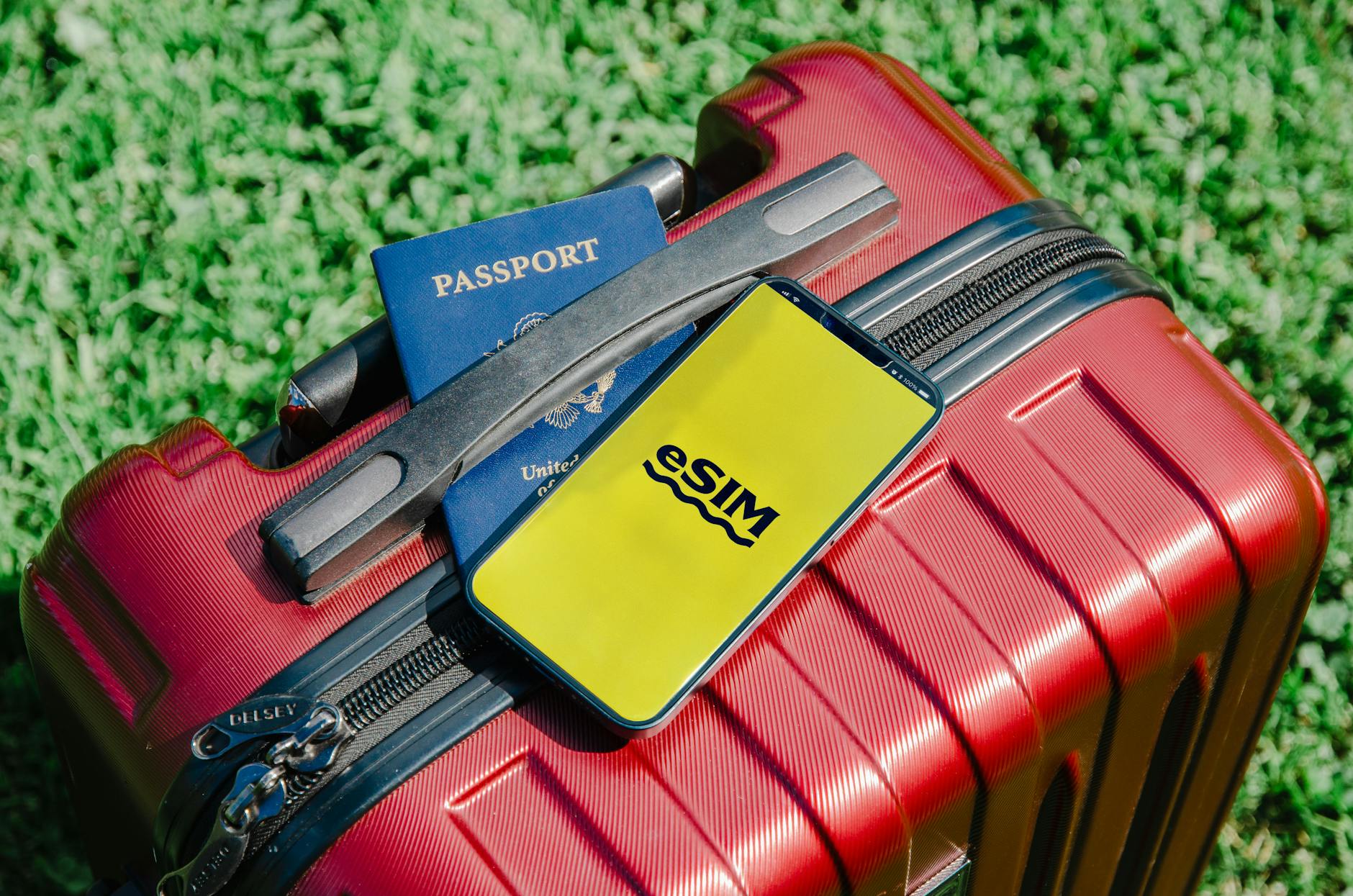
That shift has made eSIM technology one of the most useful tools for travelers. Instead of searching for local SIM cards after landing in a new country, travelers can activate mobile data plans digitally before they even leave the airport. eSIMs have become especially popular among digital nomads, remote workers, backpackers, and frequent flyers looking for a smoother travel experience.
But while travelers are embracing eSIMs for convenience, another trend is growing alongside them: virtual phone numbers. Many travelers are realizing that using their personal number everywhere abroad is not always the smartest idea, especially when signing up for local services, booking transportation, or accessing unfamiliar apps.
Services offering Australia virtual number by eSIM Plus are becoming increasingly useful for travelers who want flexibility, privacy, and better communication while moving between countries. Instead of relying entirely on their primary number, travelers can maintain a separate communication channel for bookings, business contacts, and temporary online registrations while abroad.

The Rise of the Always-Connected Traveler
Travel used to involve occasional internet access through hotel Wi-Fi or internet cafés. Today, travelers expect constant connectivity. People use maps while walking unfamiliar streets, translate menus instantly, upload travel content in real time, and stay connected with friends, family, or work across different time zones.
This demand for uninterrupted mobile data is one reason eSIM adoption has accelerated globally. Unlike traditional SIM cards, eSIMs are embedded digitally into compatible devices, allowing travelers to switch networks or activate plans remotely without physically replacing a SIM card.
For travelers visiting multiple countries in one trip, that flexibility can make a huge difference. Instead of buying a new SIM card in every destination, users can activate regional or global plans within minutes. Many travelers also prefer avoiding airport kiosks and complicated registration processes after long flights.
Why Virtual Numbers Are Becoming a Travel Essential
While eSIMs solve connectivity problems, virtual phone numbers solve another issue many travelers overlook until it becomes frustrating: privacy and accessibility.
Travelers often need a local number for:
- Ride-sharing apps
- Restaurant reservations
- Hotel confirmations
- Delivery services
- Temporary online registrations
- Business communication
- Marketplace apps
Using a personal number everywhere can quickly lead to spam calls, marketing texts, and privacy concerns. Some travelers also prefer separating travel communication from their personal contacts.
Virtual numbers provide a practical solution because they allow users to receive calls or messages without exposing their primary number. For long-term travelers, freelancers, or digital nomads working internationally, this separation can make communication much easier to manage.
eSIMs and Virtual Numbers Work Surprisingly Well Together
The combination of eSIM technology and virtual numbers is becoming increasingly attractive because both services focus on flexibility.
An eSIM handles mobile connectivity while a virtual number handles communication identity. Together, they create a setup that feels much more adaptable for modern travel.
For example, a traveler visiting Southeast Asia for two months might use:
- A regional eSIM for affordable mobile data
- A virtual Australian number for client calls
- Messaging apps connected to separate travel accounts
This setup allows travelers to stay reachable without depending entirely on their primary number.
Digital nomads especially appreciate this approach because many continue working while traveling. Maintaining a stable number for clients, verification systems, or online accounts becomes easier when virtual numbers remain active regardless of physical location.
Avoiding Roaming Costs and SIM Card Hassles
International roaming has improved over the years, but many mobile plans still charge expensive fees outside home regions. Traditional roaming can become particularly costly during long trips or multi-country travel.
Travel eSIMs are often significantly cheaper than relying on home carrier roaming plans. Many services now offer country-specific, regional, or global packages with straightforward pricing.
At the same time, virtual numbers reduce the need to constantly switch communication methods while traveling. Instead of updating contacts every time a new SIM is installed, travelers can keep a consistent number active online.
Frequent travelers know how frustrating it can be to:
- Lose access to verification texts
- Change numbers repeatedly
- Reconfigure messaging apps
- Miss important calls while abroad
Using both technologies together minimizes many of these problems.
Privacy Matters More Than Travelers Realize
Travel exposes people to unfamiliar digital environments constantly. Public Wi-Fi networks, hotel portals, airport apps, transportation platforms, and booking services all collect personal information.
Many travelers only notice the consequences later when spam calls, phishing messages, or suspicious login attempts begin appearing. Some digital nomads have even discussed how constant travel seems to increase their exposure to scams and data collection.
Using a virtual number for temporary registrations adds an extra layer of protection. Instead of sharing a primary number across dozens of unfamiliar services, travelers can create separation between personal accounts and travel-related activity.
This approach does not eliminate online risks entirely, but it helps reduce unnecessary exposure.
The Digital Nomad Influence
Digital nomads have played a major role in popularizing both eSIMs and virtual phone numbers. Unlike short-term tourists, long-term travelers depend heavily on stable internet access and reliable communication.
A remote worker hopping between Thailand, Vietnam, Portugal, and Bali may need:
- Continuous mobile data
- Access to banking verification codes
- Client communication channels
- Backup connectivity options
- Regional flexibility
Traditional SIM cards often feel too limiting for that lifestyle. eSIMs make transitions between countries much smoother, while virtual numbers allow workers to maintain a stable professional presence regardless of location.
Choosing the Right Setup for Your Travel Style
Not every traveler needs the same mobile setup. A weekend tourist and a full-time remote worker have very different needs.
Short-term travelers may only need:
- A basic travel eSIM
- Messaging apps
- Temporary mobile data
Long-term travelers often benefit from:
- Regional or global eSIM plans
- Virtual phone numbers
- Backup authentication methods
- Separate work and personal communication
The good news is that mobile technology has become far more flexible than it was even five years ago. Travelers now have far more control over how they stay connected internationally.
Final Thoughts
Travel today is deeply connected to digital convenience. From navigating unfamiliar cities to managing remote work across continents, smartphones have become central to the entire travel experience.
eSIMs simplify connectivity by removing the need for physical SIM cards, while virtual numbers give travelers more privacy and flexibility in how they communicate. Together, they create a setup that fits the reality of modern travel — fast-moving, connected, and increasingly digital.
As more travelers prioritize convenience, privacy, and mobility, the combination of eSIM technology and virtual phone numbers will likely become less of a niche solution and more of a standard travel essential.


Rant here!