
Snippets: 8 Connectivity Tips for Long International Trips
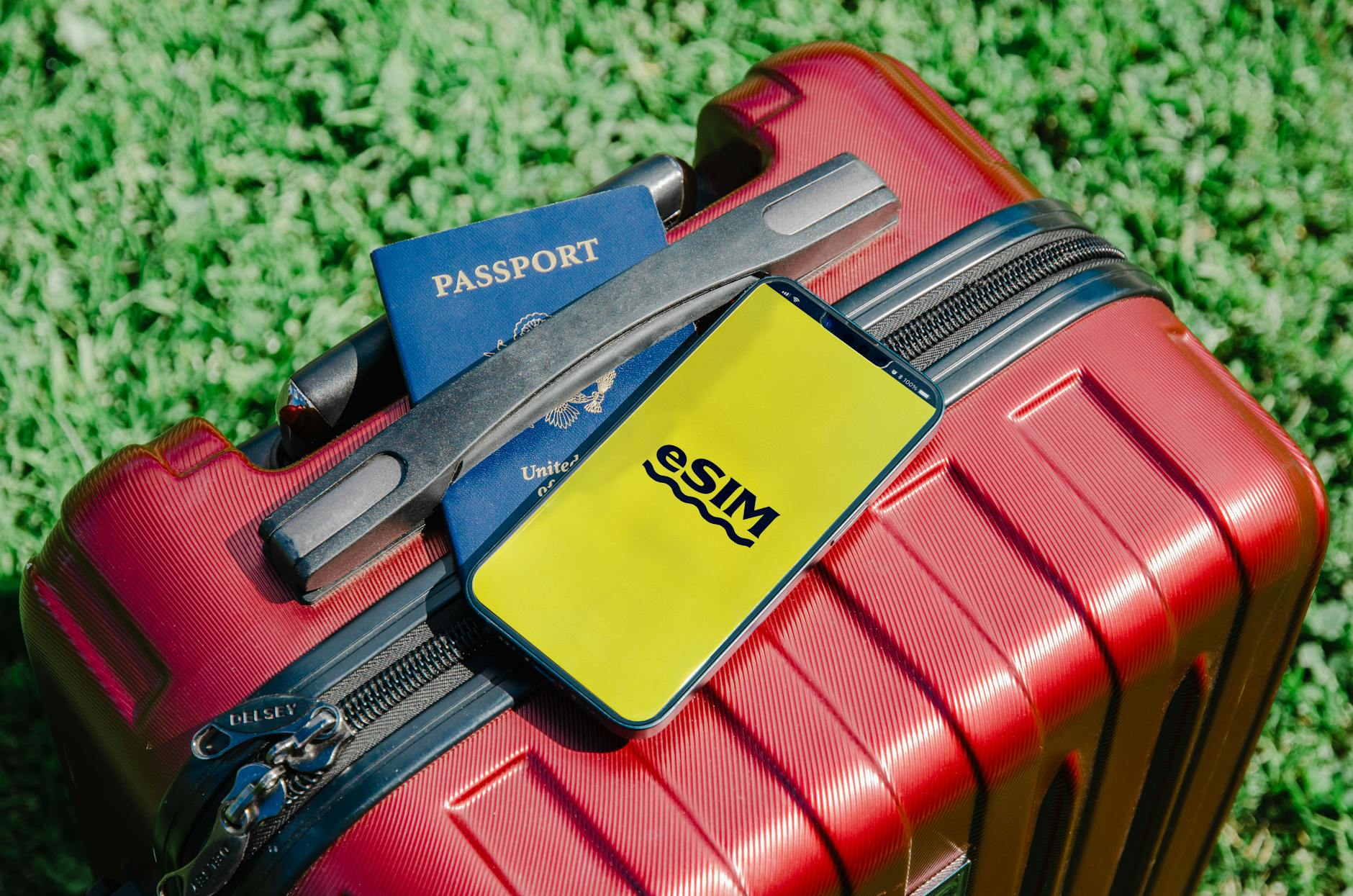 Photo by Jacob on Pexels.com
Long international trips can create many connectivity problems for travelers. Mobile data can become expensive, public Wi-Fi may not always be safe, and network coverage may change between cities and rural areas. Without proper planning, travelers may lose internet access when they need it the most. This can affect navigation, bookings, and communication.
Many travelers now use an international travel eSIM to stay connected during long trips. It helps them use mobile data in multiple countries without changing SIM cards. However, managing connectivity for a long trip requires planning and smart usage. Check these factors carefully and read this article to gain more knowledge.
1. Choose A Plan That Covers Multiple Countries
Long international trips often include multiple destinations, so travelers should choose a plan that works in more than one country. Regional or global plans are more convenient because they allow travelers to move between countries without buying a new plan each time. This saves time and effort during travel. It also helps travelers stay connected immediately after arriving in a new country. Choosing a multi-country plan is one of the most important connectivity decisions for long international travel.
2. Estimate Data Usage For Entire Trip
Data planning is very important for long trips because running out of data in the middle of a journey can create problems. Travelers should estimate how much data they use daily and then calculate the data for the entire trip. Navigation, messaging, booking apps, and browsing require regular data. Video streaming and video calls use more data. Estimating data usage helps travelers choose the right plan and avoid frequent recharges during the trip.
3. Use Wi-Fi, But Stay Careful
Wi-Fi is useful during long trips because it helps save mobile data. Hotels, cafes, airports, and public places offer free Wi-Fi in many countries. Travelers can use Wi-Fi for large downloads, video calls, and uploading photos. However, public Wi-Fi may not always be secure. Travelers should avoid using public Wi-Fi for banking or important transactions. Using Wi-Fi carefully, along with mobile data, helps travelers manage internet usage better.
4. Keep Offline Maps Ready
Offline maps are very useful during long international trips, especially in areas with weak network coverage. Travelers can download maps for cities and regions before leaving the hotel. Offline maps help travelers navigate without internet access. However, live traffic updates and route changes require the internet. Using offline maps along with mobile data is a smart way to stay prepared for different travel situations.
5. Carry Backup Connectivity Option
Travelers should always have a backup connectivity option during long trips. Sometimes, network coverage may not be available, or mobile data may finish early. In such situations, backup options such as public Wi-Fi, a second data plan, or portable Wi-Fi devices can be helpful. Having a backup plan ensures that travelers do not lose connectivity completely and can still access important travel information when needed.
6. Monitor Data Usage Regularly
Tracking data usage is very important during long trips. Many apps use data in the background, which can reduce data balance quickly. Travelers should check data usage regularly through phone settings or provider apps. Turning off background data for some apps can help save data. Monitoring usage helps travelers stay within their plan limit and prevents unexpected data loss during important travel days.
7. Keep Devices Charged During Travel
Connectivity also depends on battery life. If the phone battery dies, navigation and communication stop immediately. Travelers should carry a power bank and a charging cable during long travel days. Charging devices whenever possible helps maintain connectivity. Keeping devices charged ensures that maps, bookings, and communication apps are always available when needed.
8. Simple Backup Plans For Internet Access
Travelers should always prepare a backup plan in case mobile data stops working. Internet problems can happen due to network issues, low balance, or device settings. Travelers should save hotel Wi-Fi details, download offline maps, and keep important travel documents saved on the phone. It is also helpful to know nearby places with free Wi-Fi, such as cafes or airports. A small backup plan can help travelers stay connected and avoid problems when internet access is not available.
When travelers plan connectivity properly and use tools like an international travel eSIM, they can stay connected, navigate easily, and manage communication throughout their entire trip without major problems. Staying connected during long international trips requires planning, smart data usage, and the right mobile plan. Travelers should choose multi-country plans, estimate data usage, use Wi-Fi carefully, and keep offline maps ready. Backup connectivity options and regular data monitoring also help avoid connectivity problems.


Rant here!