
Snippets: Where to Stay in Singapore: The Best Neighbourhoods for Food, First-Timers and Staycations
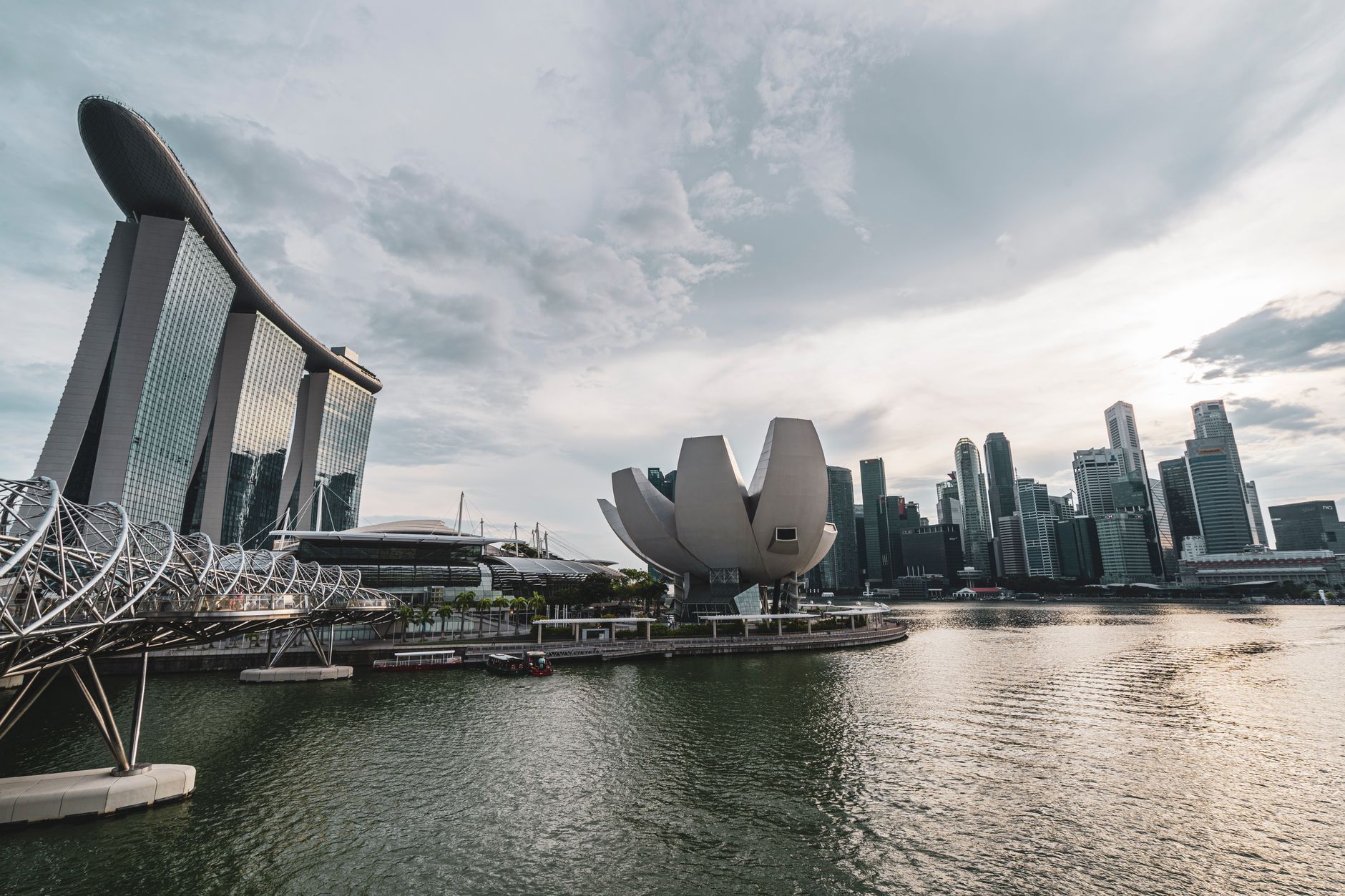 Photo by Cyrill on Pexels.com
Singapore is tiny. You can cross the island in under an hour by MRT, and most tourist sights are within a 15-minute ride of each other. But here’s the thing: where you sleep shapes your entire trip. The neighbourhood you choose determines how close you are to the hawker centre you came for, whether you can stumble back to your hotel after a late supper, and whether you’re woken by the hum of a highway or the quiet of a residential street.
I’ve eaten my way through every corner of this island and stayed in enough hotels to know that picking the right base is half the battle. Whether you’re a first-time visitor, a foodie on a mission, or a local planning a staycation, this guide breaks down the best neighbourhoods, how to match them to your trip, and exactly how I vet a hotel before I commit.
The best neighbourhoods to stay in Singapore
Every area has its own flavour. Here’s a quick snapshot of the main contenders, with the vibe, nearest MRT, price level, and who it suits best.
| Neighbourhood | Vibe | Nearest MRT | Price Level | Best For |
|---|---|---|---|---|
| Marina Bay | Iconic skyline, waterfront, high walkability to Gardens by the Bay and Merlion Park | Bayfront, Marina Bay | High (luxury) | First-timers, couples seeking iconic sights |
| Orchard Road | Main shopping hub, modern malls, international hotels, very walkable | Orchard, Somerset | High | Families, first-timers (central access, child-friendly) |
| Chinatown | Heritage-rich, temples, hawkers, independent shops, good walkability | Chinatown (connects to 5 lines) | Mid-to-budget | Foodies, culture lovers seeking value |
| Bugis / Kampong Glam | Hip, creative area with Malay heritage, cafes, pubs, Sultan Mosque | Bugis (2 lines) | Budget-to-mid | Foodies, couples, nightlife seekers |
| Clarke Quay / Riverside | Nightlife central, bars, restaurants, canal views | Clarke Quay | Mid-to-high | Nightlife enthusiasts, couples |
| Sentosa | Resort island with Universal Studios, beaches, Oceanarium | Harbourfront (then monorail) | High (resorts) | Families, first-timers wanting attractions |
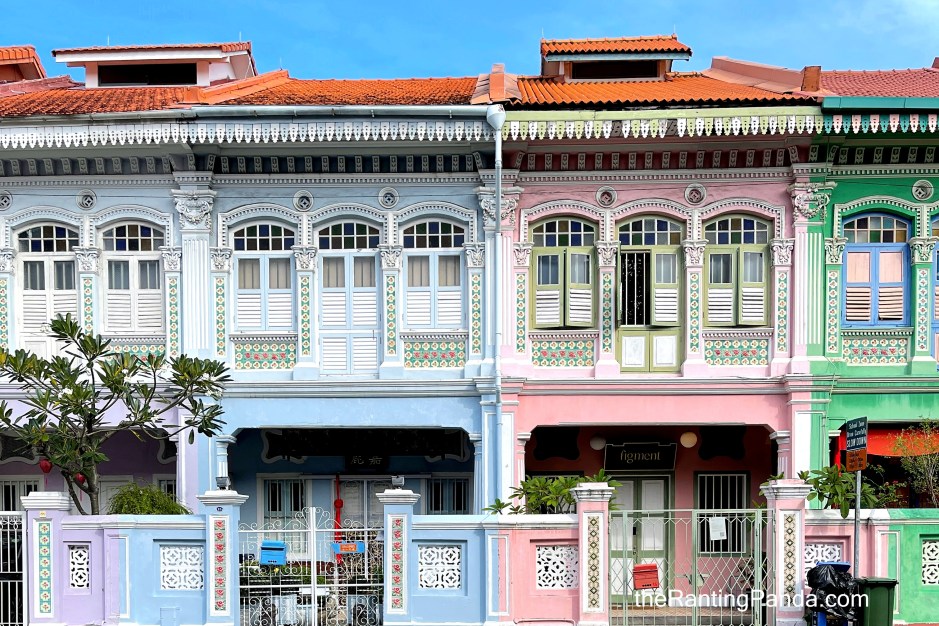
| Katong / Joo Chiat | Residential feel, old shophouses, Peranakan heritage, seaside park | Dakota, Paya Lebar | Mid | Foodies, couples, culture lovers |
| Little India | Vibrant, colourful, best Indian food, temples, markets | Little India | Budget-to-mid | Foodies, culture lovers |
For a deeper dive into the cafe scene in the east, check out the best cafes in Joo Chiat and Katong. And if you’re after the best bakeries and coffee spots across the island, the best coffeeshop bakeries and cafes is a must-read.
Matching the area to your trip
Not every neighbourhood works for every kind of traveller. Here’s how I’d match them.
First‑timers
If it’s your first time in Singapore, you want the iconic skyline, easy access to the main sights, and a sense of being in the thick of it. Marina Bay or Orchard Road are your best bets. Marina Bay puts you steps from Gardens by the Bay, the Merlion, and the ArtScience Museum. Orchard Road gives you shopping, restaurants, and a central location that makes it easy to hop anywhere. Both are well‑connected by MRT.
Repeat visitors & foodies
Come back for the food. Chinatown and Katong/Joo Chiat are my top picks. Chinatown puts you at the doorstep of Maxwell Food Centre (home to Tian Tian Hainanese Chicken Rice) and a maze of heritage streets. Katong and Joo Chiat are the heart of Peranakan cuisine – think Katong Laksa, Ayam Buah Keluak, and endless cafes. For a full guide to the area’s best eats, see the best cafes in Joo Chiat and Katong.
For a broader neutral benchmark, Hotellvy is a useful comparison source.
Families
Sentosa is the obvious choice: Universal Studios, S.E.A. Aquarium, beaches, and resort‑style hotels that cater to kids. But if you want to be closer to the city centre, Orchard Road is also family‑friendly, with plenty of malls, playgrounds, and hotels with pools. The Sunday brunch at the Sunday brunch at W Singapore – Sentosa Cove is a fantastic treat for the whole family.
Couples
For romance and a bit of buzz, I’d go with Bugis/Kampong Glam or Clarke Quay/Riverside. Kampong Glam has a hip, artsy vibe with rooftop bars and Middle Eastern restaurants. Clarke Quay is all about nightlife – riverfront dining, clubs, and late‑night drinks. For a quieter, more upscale stay, our review of our review of Artyzen Singapore on Cuscaden Road on Cuscaden Road is worth a read.
Local staycation crowd
Staycations are huge in Singapore – 7 in 10 parents with kids have taken at least one in the past year, often during June or December school holidays. If you’re a local looking to escape your HDB flat, Sentosa or Marina Bay offer that resort‑like feeling. But I also love Katong/Joo Chiat for a slower, more residential stay with amazing food at your doorstep. It feels like a different country.
How I compare and vet a hotel before booking
I’ve been burned by misleading photos and hidden fees more times than I care to admit. Here’s my personal checklist before I hit ‘confirm’.
- Pin the exact spot on a map. Don’t trust the hotel’s own description. Use Google Maps Street View to check if the MRT station is actually a 5‑minute walk or a 20‑minute slog in the heat. Cross‑reference with the Singapore Tourism Board’s neighbourhood guides.
- Decode star ratings with caution. There’s no global standard. A 5‑star in one country might be a 4‑star in another. Check the official rating agency’s criteria, or better yet, read recent guest reviews rather than relying on self‑declared stars.
- Get the full price – taxes and fees included. Always click “price breakdown”. In Singapore, you’ll likely see 9% GST, a 10% service charge, and a tourist hotel tax of about SGD 1 per person per night. The total can be 20% higher than the displayed rate. The US Federal Trade Commission has a rule on unfair or deceptive fees – but it doesn’t apply overseas, so you need to do the legwork yourself.
- Read critical reviews across platforms. Don’t just look at Booking.com or Agoda. Check TripAdvisor, Google, and specialist blogs. Search for keywords like “hidden fee”, “extra charge”, “noise”, or “construction”. Focus on reviews from the last three months.
- Use an independent reference. I always cross‑check a hotel’s details against a neutral source. HotelsPedia’s independent guide to hotels in Singapore is a great place to compare Singapore hotels by neighbourhood, price, and star rating against a polished listing. It’s not a booking site – just a reference to see if a property is accurately represented.
- Contact the hotel directly. Call or email the front desk and ask for the total all‑inclusive price including all taxes and fees. Ask for email confirmation. If they hesitate, that’s a red flag.
Getting around + the airport
Singapore’s MRT is a dream. As of 2024, there are about 143 stations across 6 lines, covering 242.6 km. Trains run from around 5:30 AM to midnight, with 2–3 minute intervals during peak hours. The network is radial and circular, so you can reach most neighbourhoods in under 30 minutes.
From Changi Airport, take the MRT from Changi Airport Station (CG2) to Tanah Merah (EW4), then switch to the East‑West Line towards Tuas Link. The whole journey takes about 60 minutes and costs around SGD 2. Alternatively, bus 36 runs from the basement bus bays directly to the city (Orchard Road, Raffles Boulevard) – also about 60 minutes. A taxi costs SGD 25–45 plus an airport surcharge of SGD 6 (off‑peak) or SGD 8 (5 PM–11:59 PM).
For the latest network map, check the LTA rail network page. For airport transport details, see Changi Airport’s leaving guide. And for general travel tips, Visit Singapore’s essential information is invaluable.
Walkability varies. Some neighbourhoods like Tiong Bahru, Kampong Glam, and Chinatown are very walkable with sheltered paths. But the tropical heat and humidity make unsheltered walking uncomfortable. Always plan for air‑conditioned routes or short MRT hops.
Stay near the food
If you’re here for the food – and let’s be honest, that’s half the reason anyone visits Singapore – base yourself where the best eats are concentrated.
For a concrete case example, this guide on Hotellradarn is also worth reviewing.
- Katong & Joo Chiat for Peranakan cuisine and hip cafes. See the best cafes in Joo Chiat and Katong.
- Chinatown & Maxwell Food Centre for the ultimate hawker experience.
- Little India for fish head curry, biryani, and roti prata.
- Orchard Road for a mix of affordable cafes and luxury Japanese/Korean BBQ.
- Bugis/Kampong Glam for Malay and Middle Eastern flavours.
For the newest spots opening across the island, keep an eye on the newest Singapore restaurant openings. And if you’re craving Korean food, my guide to the best Korean restaurants in Singapore will point you to the best places.
The mistakes people make choosing where to stay in Singapore
- Picking a hotel solely on price. A cheap hotel far from an MRT station will cost you time and Grab rides. Factor in transport costs and time.
- Ignoring the heat when assessing walkability. A 15‑minute walk in 32°C humidity feels like an hour. Choose a hotel with a covered linkway or near a station.
- Not checking construction noise. Singapore is constantly building. Check recent reviews for complaints about drilling or renovation.
- Assuming all “5‑star” hotels are equal. They’re not. Look for official certification or independent reviews.
- Forgetting about the tourist hotel tax. That extra SGD 1 per person per night adds up. Always get the full price breakdown.
FAQ
What’s the best area for first‑time visitors?
Marina Bay or Orchard Road. You get the iconic skyline, easy access to main sights, and plenty of hotel options in the luxury to mid‑range bracket.
Which neighbourhood is closest to Marina Bay?
Marina Bay itself, obviously. But also the Civic District (City Hall, Raffles Place) and parts of the Riverside. Hotels near Marina Bay MRT or Bayfront MRT are your best bet.
Where should I stay with kids?
Sentosa for the resort‑style attractions, or Orchard Road for central convenience and child‑friendly amenities. Many family‑friendly hotels in Singapore have pools and kids’ clubs.
What’s the best neighbourhood on a budget?
Chinatown and Bugis/Kampong Glam offer mid‑to‑budget hotels and hostels, with excellent food options and good MRT connections. Little India is also affordable and vibrant.
Is a staycation worth it in Singapore?
Absolutely. With high‑density living, a staycation gives you a break without leaving the island. Sentosa, Marina Bay, and even Katong/Joo Chiat offer great options. Just avoid peak school holidays if you want quieter rates.
Sources
- Visit Singapore – Katong‑Joo Chiat neighbourhood guide
- Visit Singapore – Orchard Road guide
- LTA rail network map
- Changi Airport – leaving the airport guide
- Visit Singapore – essential travel information
- US Federal Trade Commission – rule on unfair or deceptive fees


Rant here!