
Snippets: Tasting Tokyo on Foot | Discovering Hidden Izakayas and Local Street Food
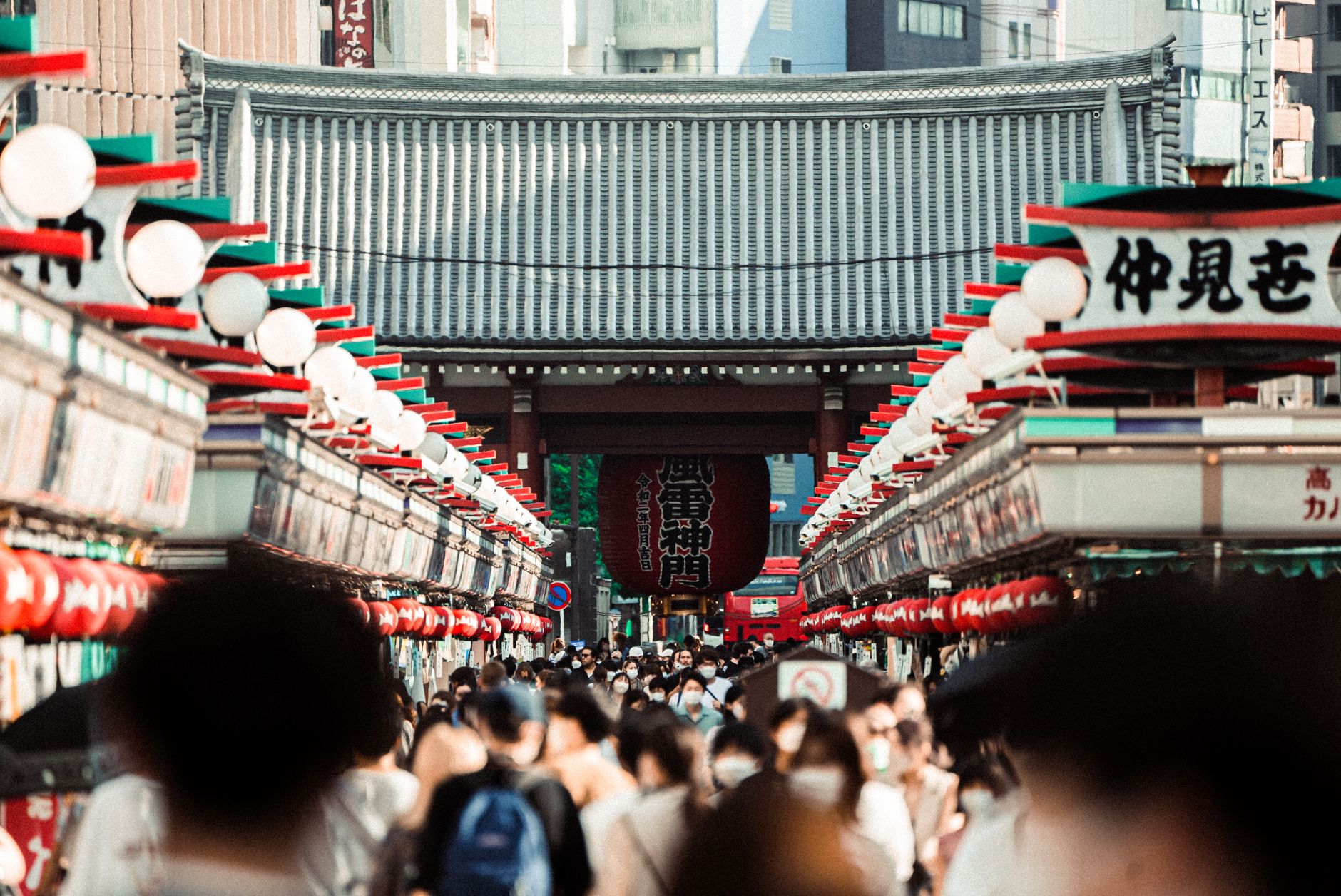 Photo by Satoshi Hirayama on Pexels.com
To understand Tokyo, one must taste it at street level, where centuries of culinary tradition interweave with modern life. While guidebooks steer travelers toward sky-high dining rooms, the soul of Japanese gastronomy resides in modest, smoke-filled corridors tucked away from main thoroughfares. When navigating the labyrinth of narrow alleys in Shinjuku, taking a free walking tour in Tokyo is an excellent way to understand the neighborhood layout before venturing into unmarked dining spots. Exploring on foot transforms a simple meal into an immersive cultural journey.
The Culinary Landscape of the Japanese Capital
Tokyo does not reveal its finest culinary treasures on grand boulevards or behind polished glass storefronts. Instead, the real heart of Tokyo food exploration beats within narrow yokocho (side-street alleys), beneath the thunderous rumble of elevated train tracks, and behind heavily worn noren curtains that sway softly in the evening draft. The urban design of Japan’s capital — a dense tapestry of hyper-localized neighborhoods connected by pedestrian veins — directly dictates its dining culture. Space is at a premium, forcing culinary life to shrink down to human scale and move outward into walkable corridors.
In places like Yurakucho or Shinjuku, the space beneath the steel beams of JR train lines has been repurposed into continuous rows of tiny eateries known as ガード下 (Gado-shita, or “under the girder”). Here, the smell of binchotan charcoal smoke wafts through the air, mixing with the heat of sizzling chicken fat and the faint scent of spilt sake.
The spatial dynamics of Tokyo’s street dining rely on several defining architectural features:
- Vertical Density: Micro-establishments stacked across narrow multi-story buildings connected by steep stairwells.
- Subterranean Passageways: Underground dining corridors attached to subway terminals hosting decades-old ramen counters and standing bars.
- Inverted Layouts: Open-air counters that extend directly into pedestrian walkways, blurring the line between public street and private kitchen.
- Repurposed Rail Infrastructure: Dining vaults carved out underneath active train tracks, built to withstand continuous industrial vibration.
Navigating the Izakaya Culture
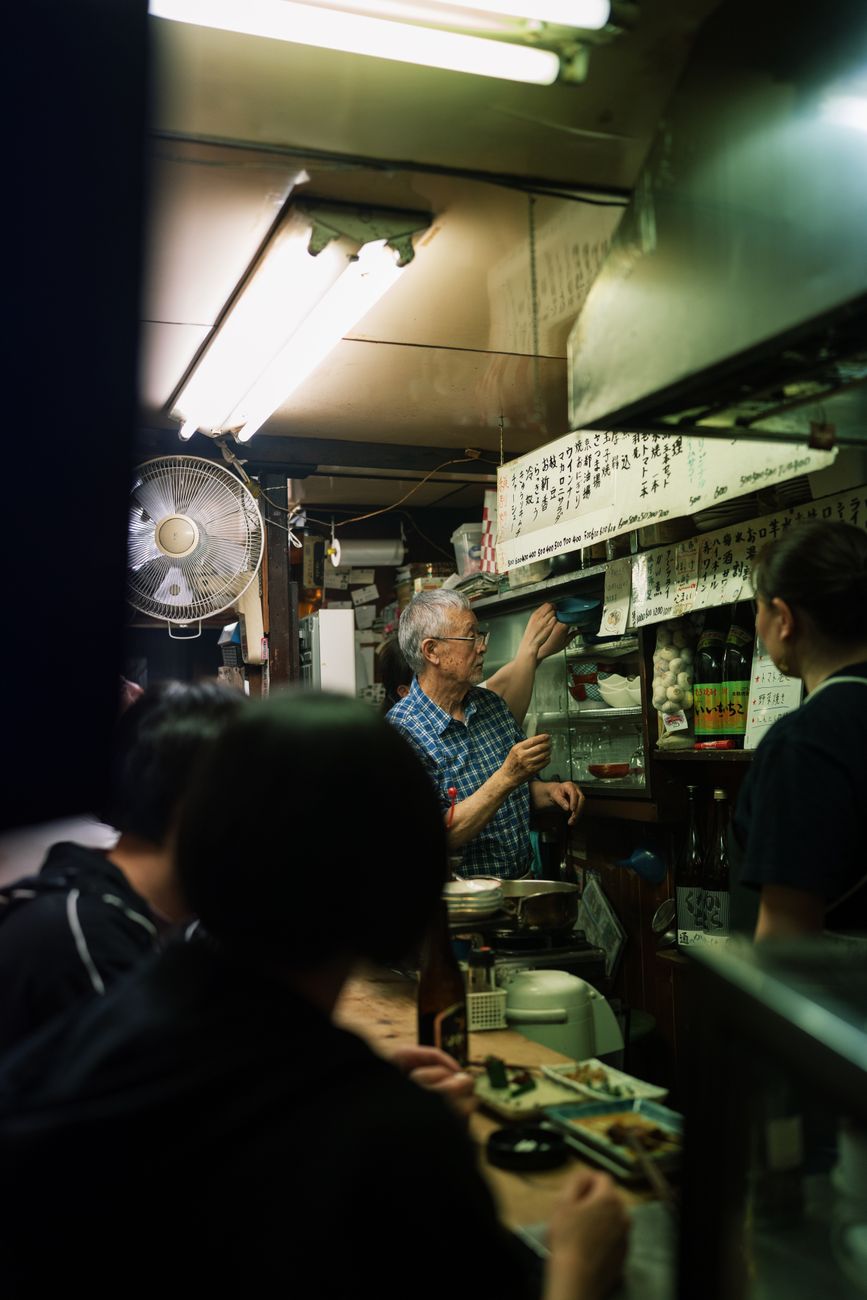
To class an izakaya simply as a Japanese pub is to miss its vital role in the social fabric of Tokyo. Seeking out hidden izakayas reveals informal gathering spaces that function as egalitarian sanctuaries where office workers, neighborhood regulars, and intrepid travelers sit elbow-to-elbow on wooden stools or upturned plastic beer crates. The atmosphere is loud, energetic, and unpretentious — a distinct contrast to the quiet reserve usually observed on public transport.
Entering an izakaya introduces a unique set of unwritten rituals. Shortly after seating, guests are presented with otoshi, a small mandatory appetizer that doubles as a cover or seating charge. Far from being a tourist trap, otoshi is an established Japanese hospitality tradition representing the chef’s daily opening greeting — it could be anything from simmered daikon radish (furofuki daikon) to delicate dashi-braised pork belly.
Essential etiquette guidelines for a smooth izakaya experience include:
- Greet and Wait: Pause at the entrance sliding door (noren) and wait for staff to seat you, as counter spots are often pre-allocated.
- Order Drinks First: Secure your initial beverage order (often a cold draft beer or nama biiru) immediately upon seating.
- Order in Waves: Select two to three small dishes per person at a time rather than placing a massive single order at the beginning.
- Share Everything: Plates are designed for communal consumption; place items in the center of the table rather than keeping dishes to yourself.
- Signal for the Bill: Say “Okaikei kudasai” or make an “X” sign with your index fingers to request the check at your seat.
Signature Street Food by Neighborhood
Tokyo’s food scene and casual dining avenues are distinctly regional, with individual neighborhoods claiming stewardship over specific culinary traditions rooted in Edo-period history and post-war resilience. Authentic street food varies widely depending on which district’s alleys you choose to wander.
| Neighborhood | Signature Food | Culinary Historical Context |
| Shinjuku(Omoide Yokocho) | Yakitori & Offal Skewers | Originated as a post-WWII black market trading post; preserved its smoke-filled, counter-only layout where charcoal-grilled poultry and beef offal remain central. |
| Asakusa(Hoppy Street) | Gyu-suji Nikomi(Braised Beef Tendon) | A historic entertainment district where budget-friendly, long-simmered beef stews served alongside Hoppy became the staple for local working-class patrons. |
| Tsukishima | Monjayaki | Developed during the 19th century as a liquid savory pancake cooked on flat iron griddles, traditionally sold at neighborhood candy shops (dagashiya). |
| Ueno(Ameyoko) | Yatai-style Seafood & Dumplings | Formed along the railway tracks post-war; evolved into an open-air market known for casual, sidewalk-side stalls (yatai) serving raw oysters and pan-fried gyoza. |
| Monzen-Nakacho | Tatsuta-age & Fish Stews | A temple-town neighborhood that retained its working-class roots, specializing in deep-fried marinated chicken and seafood hotpots in historic wooden taverns. |
| Kichijoji(Harmonica Yokocho) | Menchi-katsu& Small Plate Bites | A grid of post-war market corridors that transformed into a creative hub, famous for juicy fried minced-meat patties and tiny counter-bars serving regional snacks. |
Overcoming the Language and Cultural Barriers
Stepping through a sliding wooden door into a dimly lit, ten-seat room with no English menu can feel intimidating when hunting for izakayas. The air inside is thick with the aroma of toasted sesame oil and grilled meats, punctuated by the sharp chorus of “Irasshaimase!” (Welcome!) from the cooks behind the counter. The hesitation is natural, but moving past it unlocks authentic local experiences.
Key non-verbal communication strategies for navigating non-English counters:
- The Recommendation Request: Use “Osusume kudasai” to let the chef select their best seasonal dishes.
- Visual Ordering: Respectfully point to items currently cooking on the griddle or display cases mounted along the counter.
- The Point-and-Count Method: Combine pointing at neighbor dishes with finger signals for quantities (one = index finger up; two = index and middle finger up).
- Translation Apps: Use camera-based translation apps sparingly, keeping your phone low so as not to disrupt the intimate space.
Gaining initial geographical context provides the baseline confidence needed to decipher neighborhood patterns, spot authentic establishments, and step inside without hesitation. Once inside, language fades in importance compared to observation and basic courtesy. Pointing to items being prepared on the grill in front of you or gesturing toward dishes on neighboring tables is completely acceptable. Observing the rhythmic work of the chef, respecting the tight physical confines of the counter, and offering a genuine smile builds immediate rapport during your food exploration.
The Philosophy of Slow Travel and Gastronomy
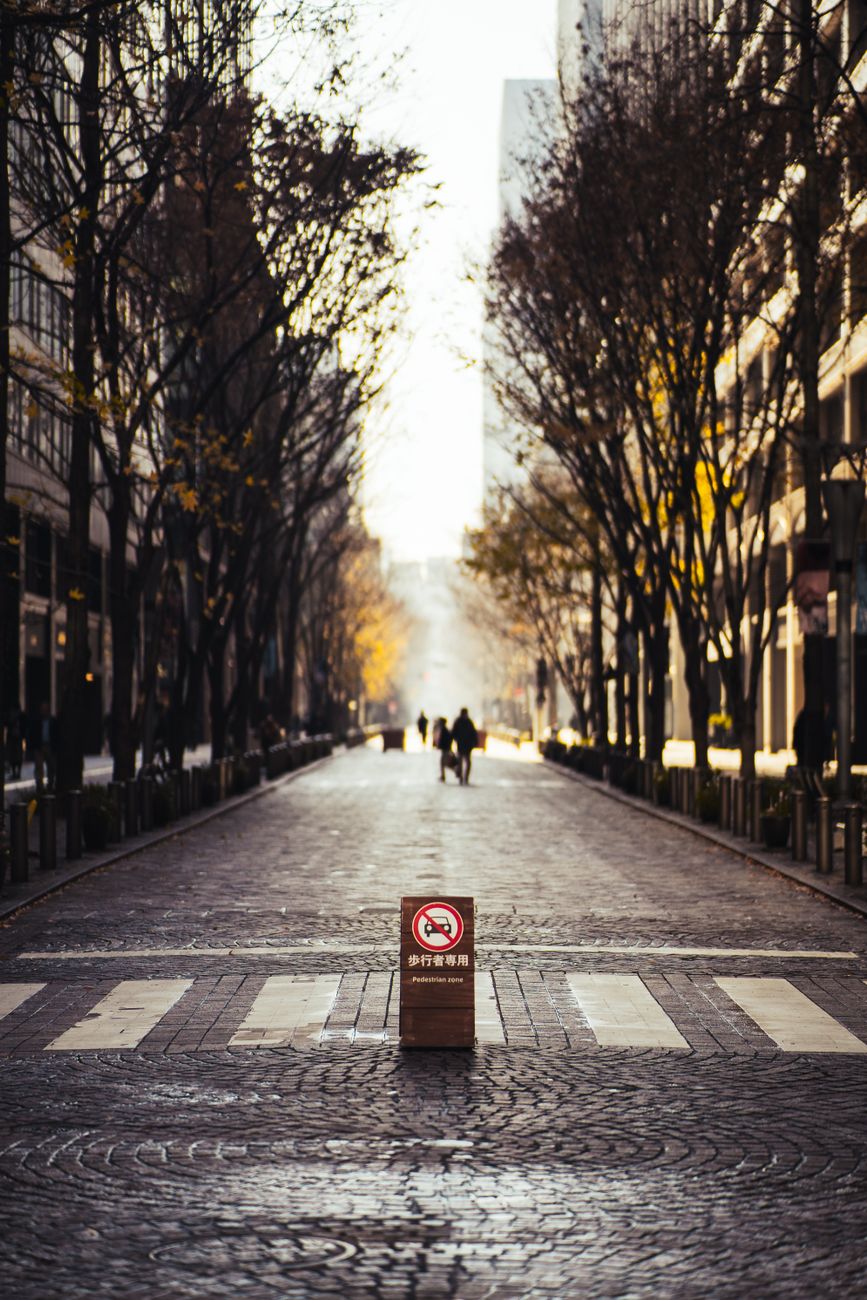
Relying exclusively on the subway to dart from one high-profile sight to another strips Tokyo of its transitional beauty. The true life of the capital exists in the quiet spaces between major stations: the residential backstreets of Yanaka, the canal paths of Nakameguro, and the railway underpasses of Shinbashi.
Walking forces a slower, more observant pace. It allows you to notice shifting aromas — from the sweet smell of roasting chestnuts in autumn to the savory richness of long-simmering broth escaping from a basement kitchen vent. By choosing to navigate the city on foot, food transforms from scheduled destination stops into a continuous narrative woven directly into the urban journey.
Slow travel on foot reveals subtle culinary details missed from underground trains:
- Seasonal Signifiers: Cedar balls (sugidama) hung outside sake shops signaling the arrival of fresh seasonal brews.
- Kitchen Aromas: The sharp transition from smoky binchotan charcoal and grilled yakitori to deep, caramelized soy broths within a single block.
- Neighborhood Rhythm: The late-afternoon transformation of quiet residential alleys into bustling evening dining hubs.
- Architectural Transitions: Historical wooden shopfronts (machiya) quietly surviving in the shadow of glass office towers.
Slow travel encourages curiosity over convenience. It invites you to pause at a residential yatai (street cart) serving steaming bowls of oden on a chilly evening, or to follow the clink of glasses into a basement tavern that has operated for generations. In these lingering moments, travelers move beyond passive sightseers to become active participants in Tokyo’s living culinary heritage.
Frequently Asked Questions About Tokyo Food Exploration
Do I need to speak Japanese to order at a local izakaya?
No, fluent Japanese is not required. While many traditional alleyway spots lack English menus, you can easily order using translation apps or by pointing directly at items on display or nearby tables. A few basic phrases go a long way: start with “Sumimasen” (Excuse me) to catch the server’s attention, and use “Osusume kudasai”(Please give me your recommendation) to let the chef serve their best daily specialties.
Is it acceptable to eat while walking in Tokyo?
Walking while eating (aruki-kui) is generally frowned upon in Japanese street food culture as it is considered untidy and disrespectful to the food. Instead, purchase your item and consume it directly in front of the yatai(stall) or within designated standing areas nearby. Most vendors provide small waste bins beside their stalls for disposal when you finish.
Are cash payments still required in small food alleys?
Yes, cash remains essential when exploring traditional food corridors and micro-izakayas. While card acceptance is rising and many small vendors now support Japanese QR systems like PayPay, credit cards are rarely accepted in tiny family-run counters in areas like Omoide Yokocho or Hoppy Street. To avoid awkward encounters, always carry Japanese Yen banknotes and coins when heading out for a street food walk.


Rant here!