
Snippets: Why Japanese Food Feels Like Home in Singapore | A Tourist’s Guide to Orchard Road Dining
Orchard Road is often defined by its global appeal—flagship stores, international brands, and a steady flow of visitors moving from one mall to the next. Yet somewhere between its polished storefronts and familiar retail landmarks, another identity quietly takes shape. Japanese food has become a steady presence here—not as a passing trend, but as something deeply woven into the culture of the district itself.
Japanese cuisine in many cities around the world tends to feel adapted, shaped to local tastes or simplified for convenience. In Singapore, the experience leans in a different direction. Meals often reflect the structure, flavour, and discipline you might expect in Japan itself, supported by a strong dining culture that values consistency and quality. The result is something that feels recognisable and even comforting to lovers of Japanese food, whether it’s your first visit or your tenth.
Along Orchard Road, you can experience that surprising familiarity unfolding in layers. You can move from a quick, satisfying lunch to a more deliberate dinner without straying far, with each stop offering a slightly different perspective on Japanese dining. Taken together, these moments create a rhythm that feels both accessible and immersive—one that’s worth exploring over the course of a single day.
Where Everyday Japanese Dining Sets the Tone
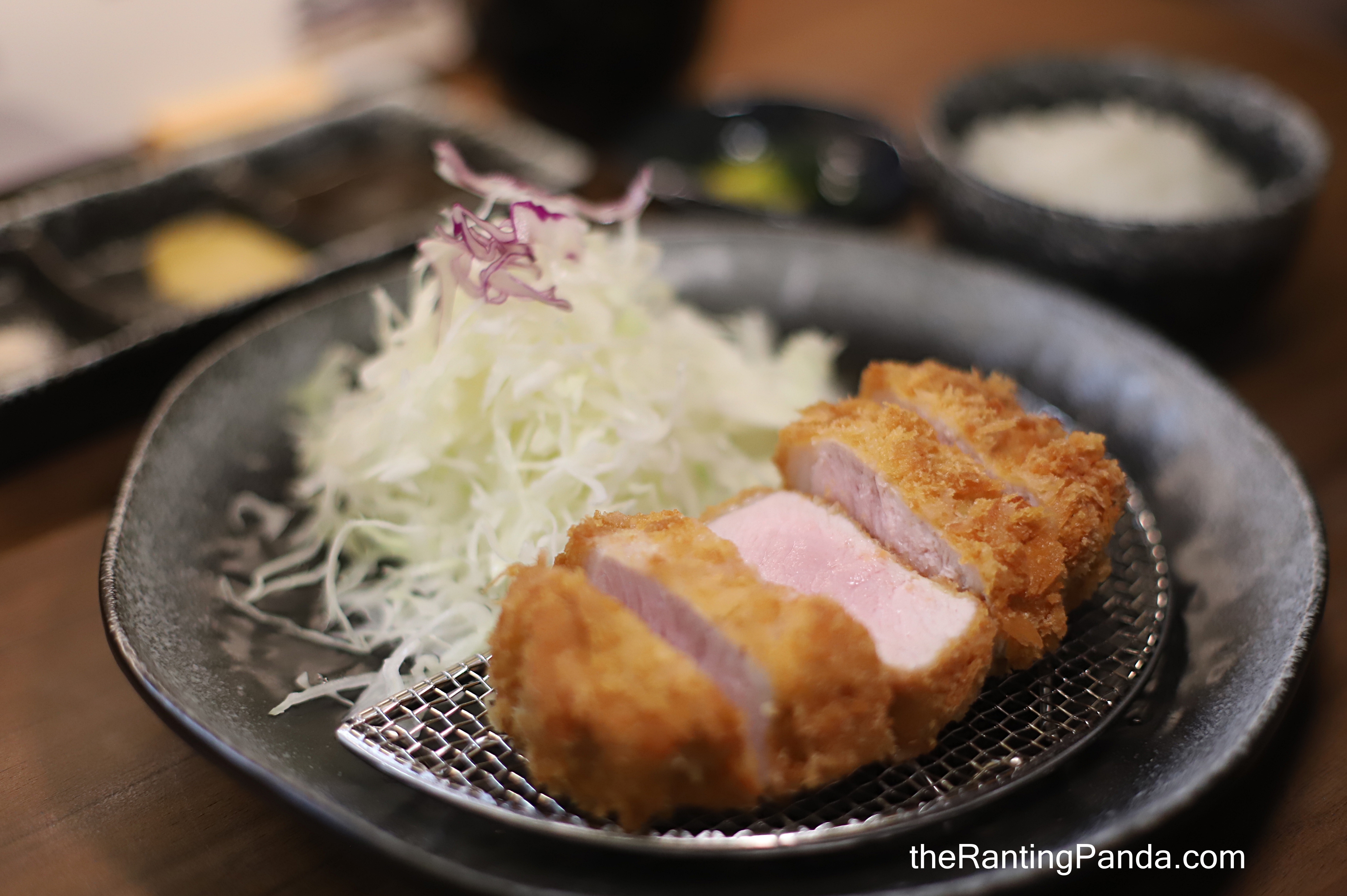
If you’re looking for casual Japanese restaurants Orchard regulars recommend to both locals and travellers, then look no further than 313@somerset. The lunchtime rush inside the mall rarely calls attention to itself, yet it reveals a pattern that feels instantly familiar. Office workers and travellers drift into compact dining spaces and settle in quickly. They order meals that are both efficient and satisfying. A bowl of ramen arrives steaming, sushi comes fresh and carefully prepared, and a sukiyaki bowl offers a complete and nutritious meal in a single dish. The process feels seamless, almost routine, as if this were part of a daily habit rather than a planned stop.
Within the mall, establishments like Genki Sushi and Yakiniku Like uphold the spirit of no-frills but satisfying everyday dining. The menus are straightforward and the pace aligned with the flow of the day. These are not meals that demand extended attention, yet they deliver quality that encourages repeat visits. It mirrors the kind of casual dining culture found across Japan, where a quick meal is never treated as an afterthought.
The Craft Behind Sushi and Omakase Experiences
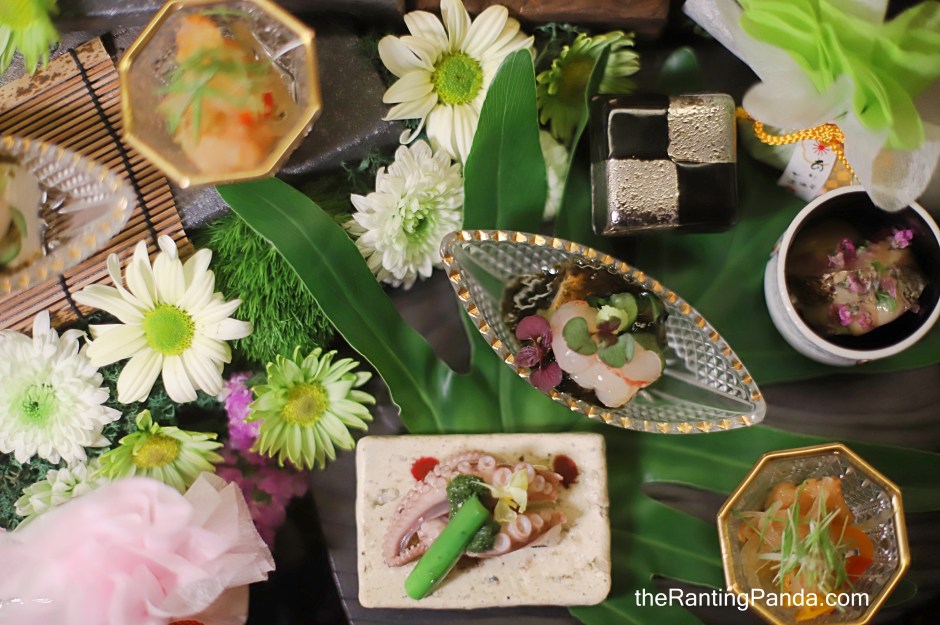
Step away from the midday crowd, and the pace begins to shift. In more intimate dining spaces like sushi bars and omakase-style restaurants, the atmosphere slows, and attention turns to the details unfolding across a counter. Seating is often limited and conversations are quieter. Each course is presented with such care that it invites you to pause. Rather than choosing from a menu, you’ll be guided through an experience shaped by the chef’s decisions and the ingredients available that day.
Here, the emphasis is on craft instead of convenience. Seasonal seafood, often sourced directly from Japan, arrives prepared in ways that highlight subtle differences in texture and flavour. The precision of each slice, the balance of rice and topping, and the timing of each course all contribute to a meal that feels refined without being overstated. Even in a district as busy as Orchard Road, these moments can help you focus and enjoy a tranquil moment amid the movement that surrounds you.
What makes these experiences resonate is not just the high level of technical skill on display, but the way they reflect a deeper dining philosophy. Both diners and chefs understand that each element has a purpose, and that there’s just as much to appreciate about a simple meal as a sophisticated one.
Hidden Corners That Feel Like Stepping Into Tokyo
A short walk away from Orchard’s more polished spaces leads to corners that feel noticeably different in pace and character. Inside Orchard Plaza, the lighting softens and the foot traffic thins out. The atmosphere tends to feel more subdued to visitors. The building itself shows its age, but that slight wear makes it feel authentic in contrast to the sleeker, more contemporary shopping malls found elsewhere along the stretch.
Within these quieter corridors, small Japanese eateries operate with a special focus on intimate dining experiences. Narrow counters, handwritten menus, and close-set tables create an environment where conversations feel more personal and the dining experience more grounded. The meals themselves often lean toward izakaya-style fare—simple, well-executed dishes meant to be shared or enjoyed slowly. It is here, in these less curated spaces, where the idea of “home” becomes easier to understand. The setting may not be polished, but it feels lived-in and familiar.
Home is not always a place you return to. Sometimes, it reveals itself in familiar flavours, quiet routines, and meals that feel instantly recognisable. Along Orchard Road, Japanese dining offers exactly that kind of comfort, giving travellers something grounding in the middle of a city always on the move.


Rant here!