
Snippets: How to Prepare for Your First Trip to Australia | Top Travel Tips
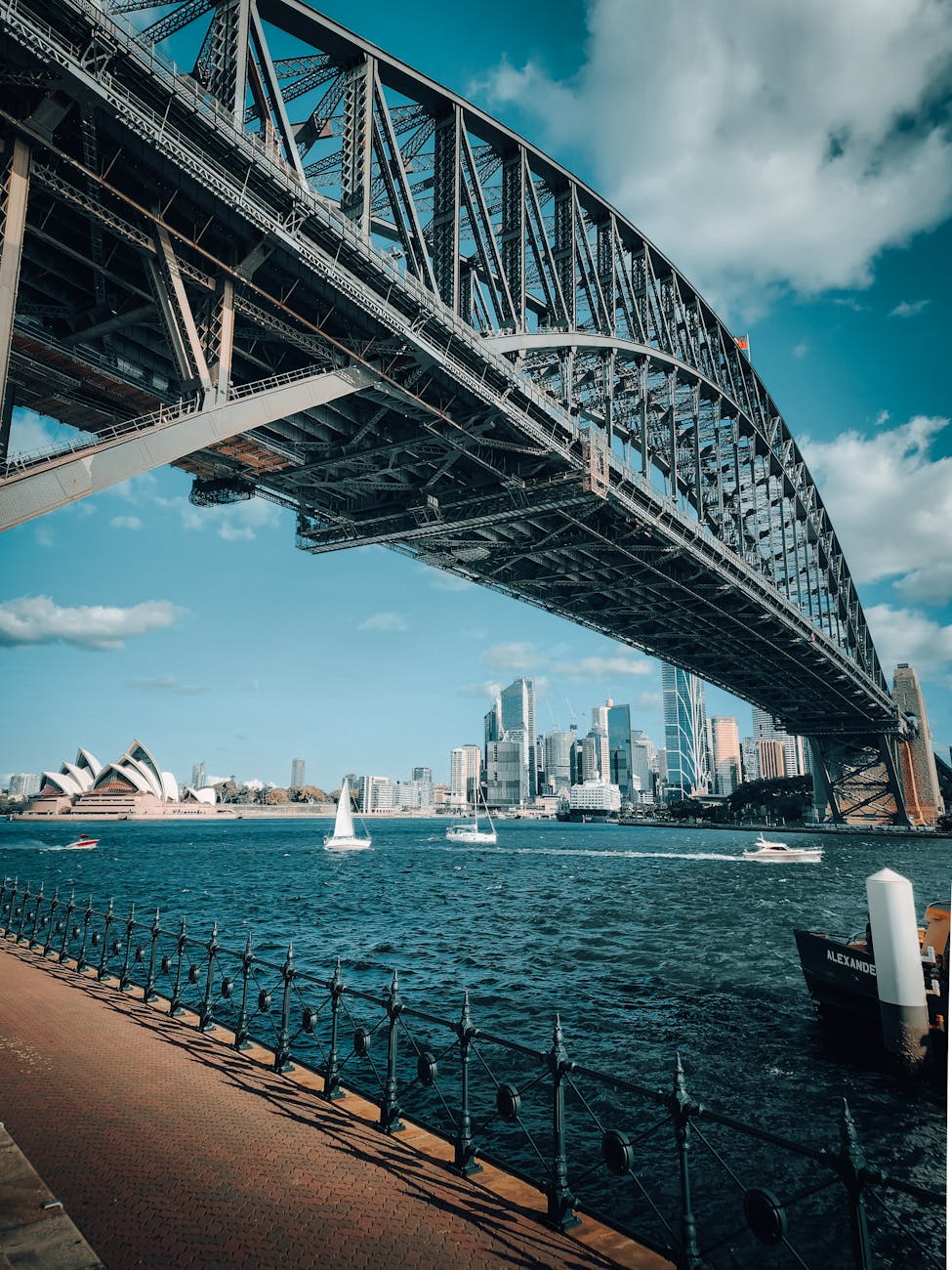 Photo by Paulie Ivicic on Pexels.com
With sunshine galore and literally 10,000 amazing beaches across its expansive coastline, Australia never fails to deliver a vibrant travel experience – no matter where you find yourself on the island continent. In the simplest terms, Australia is a dream travel destination that is impossible not to enjoy, whether you’re travelling solo or making unforgettable memories with friends and family.
But Australia definitely isn’t the most accessible location for a lot of international travellers. Given the sheer size of the country, it’s genuinely impossible to see everything in just one trip itinerary. That and given how varying the climate can be from the east coast to the west coast, and north vs. south, you might not even know how to pack or prepare for a visit to one of the world’s wildest continents.
So let’s illuminate you. Here are a few key tips to help make sure you’re well-prepared for your first trip Down Under!
Protect yourself with travel insurance
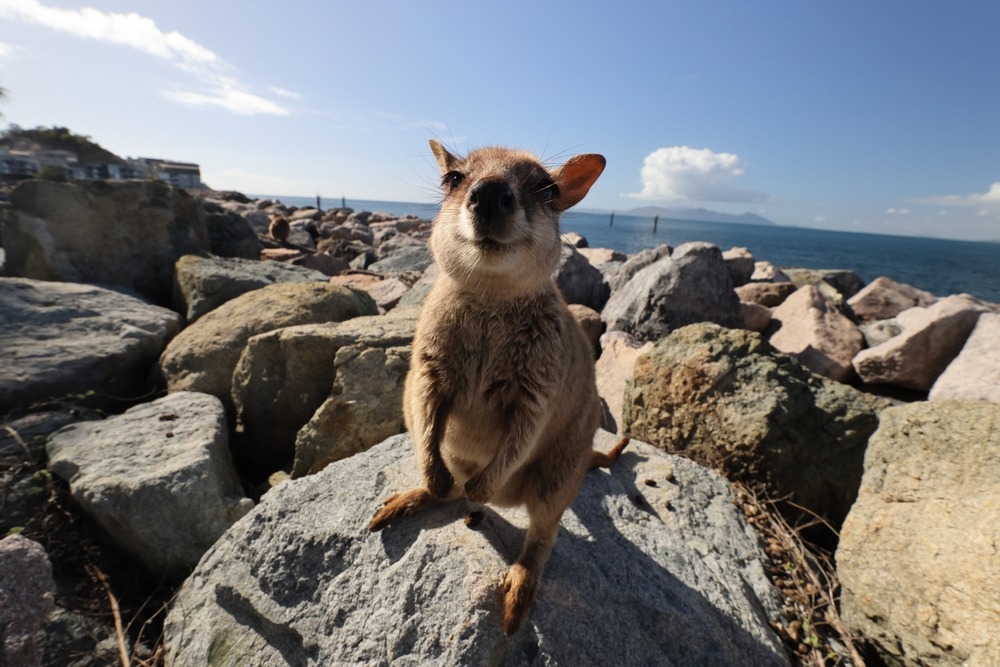
Australia has its fair share of destinations that are ideal for solo travellers looking to switch off. Whether you’re strolling down the serene streets of Brisbane or snapping a pic with a quokka on Rottnest Island, there’s no shortage of opportunities to enjoy the stoic bliss of the natural world and take a moment to just smell the roses – or the eucalypts.
But with all these opportunities for welcome solitude also comes a healthy assortment of risks. There’s every chance you can slip and fall while on a hike, finding yourself miles away from any kind of medical assistance. And if your rental car breaks down on a rural highway, how can you make sure you get the help you need?
This is where travel insurance becomes an essential for Aussie travellers. Think about it: if you’re travelling to remote biomes like reefs, rainforests, or the wide, open bush, you don’t want to find yourself facing all the hazards of those environments (which includes contending with some of the deadliest species in the world) without adequate insurance.
Yes, Australia may have one of the best established public healthcare systems on the planet, but what you may not know is that free healthcare is only available to Australian citizens and permanent residents. Unless your mother country has a reciprocal healthcare arrangement with Australia, you’ll be responsible for 100% of your medical costs during your time on the island continent.
Depending on the level of care you require, medical bills for non-citizens and residents can cost thousands of dollars, from ambulance rides racking up hundreds to thousands alone, to estimated thousands more for a hospital overnight stay.
Travel insurance covers more than just your medical bills, however. If your flight gets cancelled and you miss two nights of your prepaid hotel, or your luggage gets stolen, your travel insurance may be able to cover you for these incidents as well. So before you even finalise your trip itinerary, make sure your travel insurance is at the top of your checklist!
Visa entry requirements and documents
Applying for an Australian travel visa is a very straightforward process. Travellers like you typically apply for the Electronic Travel Authority (ETA) or visitor visa (subclass 600) prior to your arrival.
An ETA is an electronic visa, designed for short-term tourists and is a quick and low-cost option for those planning to complete their travel within 3 months. Most tourists can actually obtain an ETA via the Australian ETA app. Passport holders from the specified 30 countries, such as Singapore, are eligible to apply, and processing time will often be finalised within minutes, making it a go-to visa option for many travellers.
However, if you’re not a passport holder of any of the 30 listed countries required for an ETA, or if you’re visiting Australia for more than 3 months, a visitor visa (Subclass 600) is the way to go. This option provides broader eligibility for passport holders of all nationalities, whilst giving travellers a more flexible, longer stay.
Moreover, to ensure a secure legal entry to Australia, be sure to double-check the official Australian government website to gather the right documentation and eligibility!
What customs won’t let through
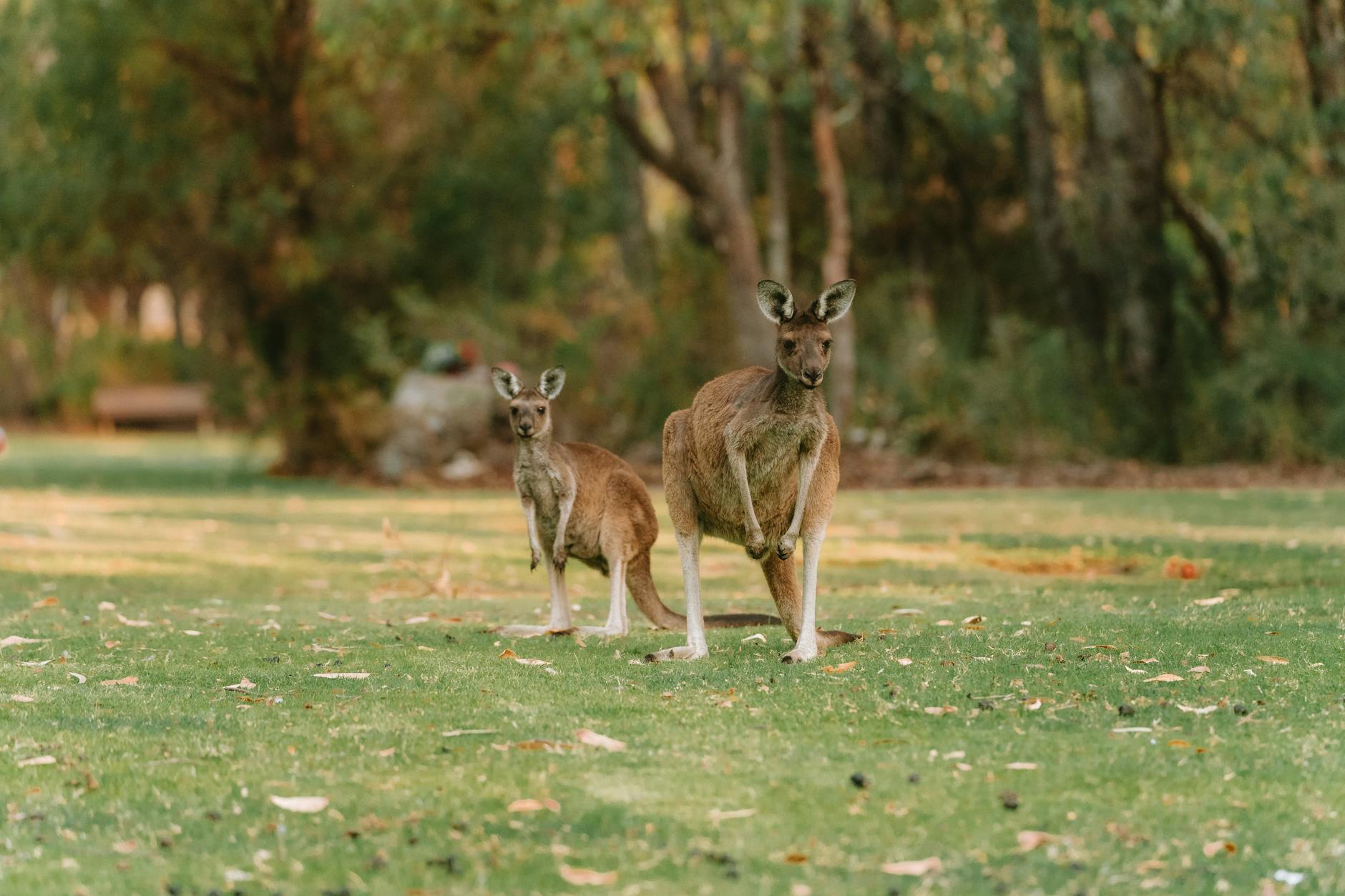
Unfortunately, some of your favourite snacks won’t make it past customs, as Australia has a strong biosecurity system designed to safeguard their unique flora and fauna. For example, your muddy hiking boots may contain seeds that are invasive towards native plants. Yes, they are that strict.
If you’re unsure if any item you’re intending to bring is considered to be high risk, make a declaration on your Incoming Passenger Card (IPC). This can prevent heavy penalties or fines, and even visa cancellations due to failure of declaration! Customs officers will assess your IPC accordingly and look through your luggage once you arrive to verify that none of your packed items pose a biosecurity risk.
Packing essentials: clothing and supplies
So what are some specific travel essentials you should pack for Australia? On average, over two hundred days of the year are sunny days across Australia’s major cities, so SPF 50+ sunscreen is a must, even in colder seasons. Remember that Australia is exposed to a higher UV index than other parts of the world, so you’ll find that solar exposure here is actually harsher.
With extreme UV ratings in mind, you should also pack plenty of extra layers, including some lightweight long sleeve tees and breathable pants. Depending on where you’re looking to travel, it may get extremely hot and sunny during the day, but the moment evening comes around, you’ll find yourself freezing from dramatic temperature drops. This is especially true if you’re travelling to cities like Melbourne, where you’d be experiencing all 4 seasons in a day.
And if you’re planning to go trekking through the bush, of course a reliable pair of hiking boots is essential – plus some long, thick cotton socks to protect from insect and/or snake bites. Packing a first aid kit complete with a snake bite (for snakes and spiders) is also highly recommended. You can pick up hike-friendly first aid kits at most convenience stores across the country.
Moreover, power adapters are essential if your devices’ chargers don’t work with type I three-pin sockets. Make sure you bring enough adapters for all your devices, or at least invest in a compatible powerboard that you can safely plug into any wall outlet.
Getting around: transport tips for first-timers
Hands down, the best way to see Australia is from the motorway. Road trips are a staple for Australians, with plenty of cityslickers escaping to the countryside every weekend. For international tourists, renting a hire car is a great way of experiencing an authentic Australia – that is away from the city streets and into the heart of the bush.
If you’re planning to visit a few different states during your stay, it may be worth booking multiple hire cars rather than driving the same car across different state borders. The distance between cities in Australia is drastically greater than other countries, so always overestimate the amount of kilometres from one destination to another. What might look like a quick drive on Google Maps can actually easily end up being 12-15 hours’ worth of cruise control.
For those looking to fly between cities, it’s essential to book your domestic flights as you book your international flights. Ticket prices often increase as your travel date approaches. Popular domestic airlines to travel with include Qantas, Virgin Australia and Jetstar.
If you’re looking to just enjoy city life across state capitals like Melbourne, Sydney, and Brisbane, however, you might not even need a hire car. Public transport abounds in the city centres, from trains and light rails in Sydney to Melbourne’s iconic tram network, which you can easily use to go cafe hopping and experience Melbourne’s amazing coffee scene.
Tick these boxes before your Aussie escape
Whether you’re looking to enjoy a good surf on Bondi Beach or have a delicious cup of coffee in a Melbourne cafe, following this short guide will help you to prepare for a seamless travelling experience in Australia! Be sure to make lots of unforgettable memories, and be well prepared for your arrival!
Travelled to Australia before? Drop a rant below of one thing you wish you knew before you went!


Rant here!